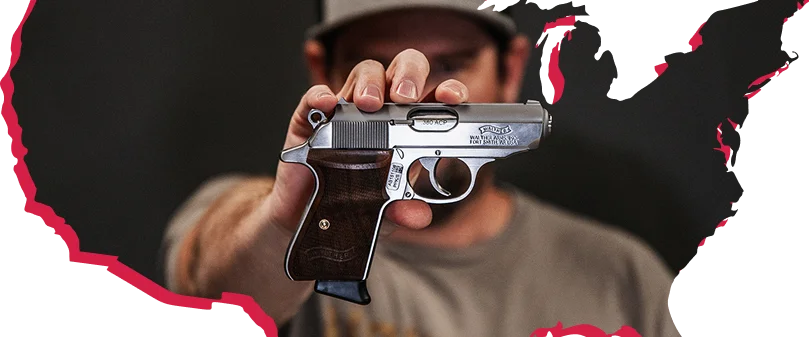

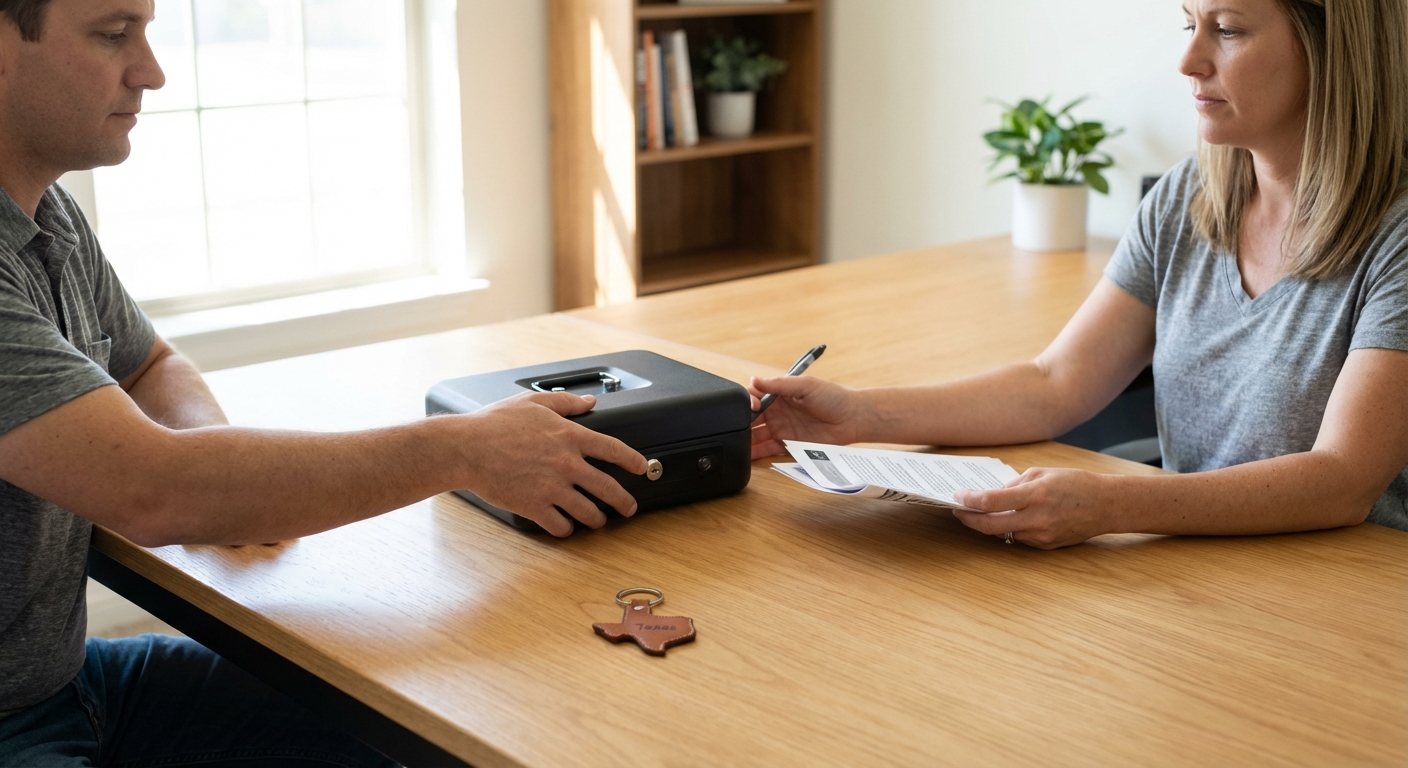

You’ve got a firearm to sell in Texas, maybe you inherited it, you’re downsizing, you’re moving, or you’re just tired of it taking up space in the safe. The problem is you want it gone fast, but you don’t want trouble, sketchy meetups, or getting lowballed.
Most sellers are really choosing between three things: speed, top dollar, and peace of mind. You can get any one of those pretty easily, but getting two at the same time takes a few deliberate moves, especially around who you sell to, how you communicate, and how you protect yourself if anything feels off.
The Texas legal baseline is simpler than people think: there’s no statewide firearm registration requirement for ordinary private ownership or transfer, there’s no statewide requirement for an unlicensed private seller to run a background check for an in-state private sale, and there’s no statewide requirement to use a bill of sale, get anything notarized, or report the sale to a state agency. The catch is that “simple” doesn’t mean “no consequences”, the real friction is practical: taking a buyer’s story at face value when red flags are obvious, pricing off optimistic active listings instead of real sold prices, posting sloppy photos and vague details that invite endless haggling, treating “out-of-state buyer” interest casually, and using payment methods that can get frozen or reversed.
This guide is for private owners, people handling inherited collections, and anyone selling because life changed, and you’ll walk away with a safe, repeatable process that helps you get a fair price without inviting unnecessary hassle or risk, but it’s general information, not legal advice.
You’ll start by making sure the sale itself is legal (especially buyer eligibility and residency), then you’ll document exactly what you have, price it off real sold comps, pick the channel that fits your goals, and run a simple checklist at the meetup (or through an FFL) so the handoff stays boring.
Step 1
The biggest legal risk in a Texas private sale is not paperwork, it’s handing a firearm to the wrong person or doing the wrong kind of transfer. Even with a light state-level baseline, Texas rules for buying and selling firearms plus federal law and a few Texas “don’t do this” scenarios still control what you can legally do.
Federal law makes you responsible for what you know and what you have “reasonable cause to believe.” Under 18 U.S.C. § 922(d), you cannot transfer a firearm to someone you know, or have reasonable cause to believe, is a prohibited person, meaning someone the law bars from possessing firearms, like a convicted felon.
Texas also draws bright lines that are easy to apply in real life. Texas Penal Code § 46.06 makes it unlawful to transfer a firearm to a child under 18, to transfer a firearm to someone you know has been convicted of a felony, and to transfer a handgun to a person you know is intoxicated. The practical takeaway is simple: if the buyer says or does something that puts eligibility in doubt, you stop the sale.
If the buyer is not a Texas resident, treat it as a hard stop for a direct private sale. Under 18 U.S.C. § 922(a)(5), a private seller generally cannot complete an interstate transfer, a sale or handoff across state lines to a nonresident, without using an FFL (Federal Firearms Licensee) to handle the transfer. “I’m from Oklahoma but I’m here today” is a big flag because residency, not physical location, is what triggers the federal rule.
Best practice is straightforward: if you’re unsure about eligibility or residency, use an FFL dealer instead of a private-party sale so the FFL can run the required process for the buyer’s state, or walk away.
- They admit a felony, a pending case, or “I can’t pass a background check.”
- They push you to ignore residency, like offering extra cash because they’re “just visiting.”
- They look or act intoxicated, especially if the sale involves a handgun.
- They want you to sell it “to my buddy instead” or someone else is clearly directing the purchase, classic straw purchase or straw sale behavior where the real buyer is trying to stay off the paperwork.
If you can’t confidently say “Texas resident, no red flags,” your safest move is using an FFL for the transfer or refusing the sale.
Step 2
Once you’re comfortable that the transfer is allowed, the next thing that protects you (and your price) is being precise about what you’re selling. The fastest way to lose money or invite headaches is misidentifying what you’re selling, or failing to document condition and included gear. Tiny variant differences, aftermarket parts, and missing boxes can swing value hard, so capture the facts first.
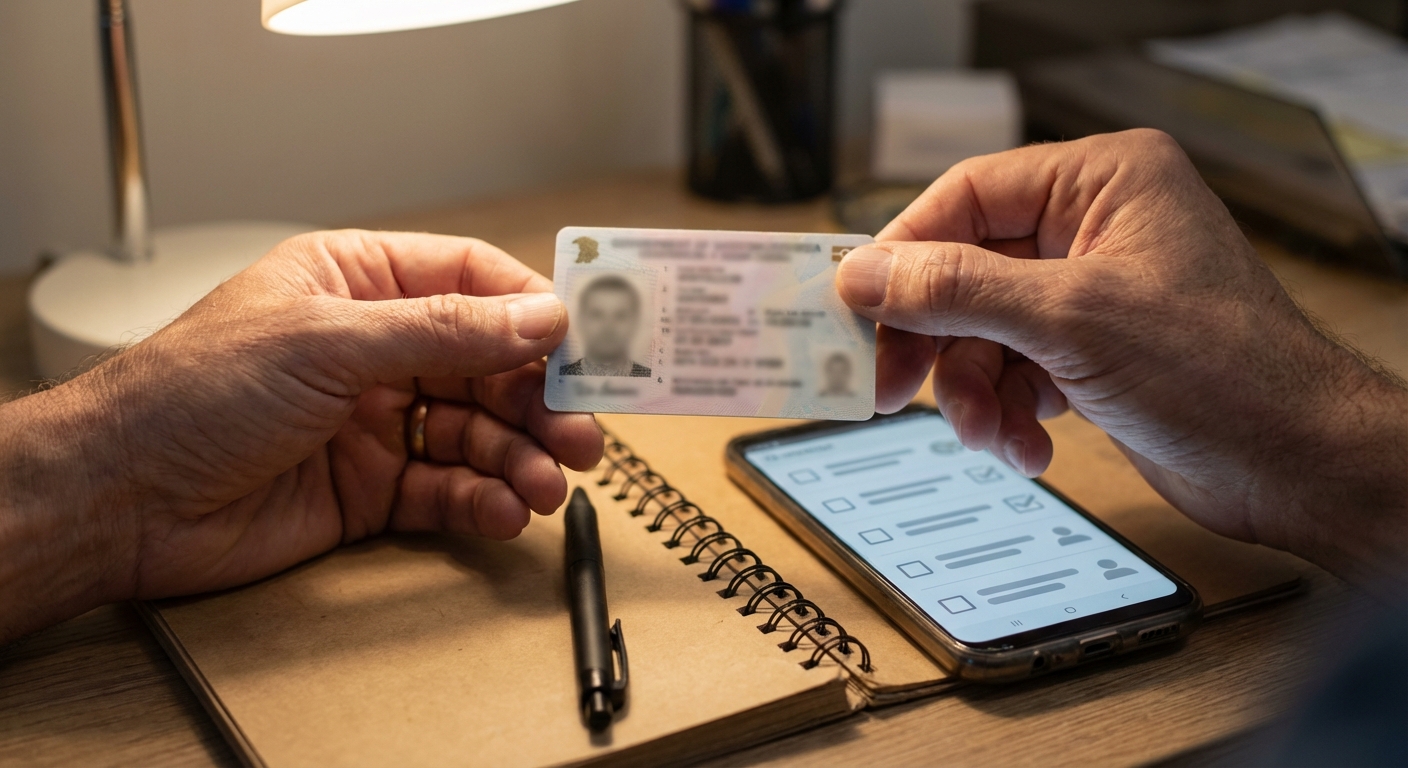
- Confirm the gun is unloaded, then keep all ammo in a separate area while you handle and photograph it. Open the action, visually and physically check the chamber, and keep the muzzle pointed in a safe direction in every photo.
- Record the exact make, model, variant, and caliber or gauge from the markings. Don’t guess based on “it looks like a Glock” or “it’s a 10/22,” write down what’s actually stamped (use a guide to identify your gun if you’re unsure).
- Identify the serialized frame or receiver, the regulated core under federal law. Under 18 U.S.C. § 921(a)(3), “firearm” includes the frame or receiver. 27 C.F.R. § 478.12 defines “frame or receiver,” and the 2022 update covers certain partially complete, disassembled, or nonfunctional frames/receivers that are readily completed.
- Record the serial number for your own records. For public listing photos, obscure part of it to reduce scam risk, then provide the full serial to serious buyers when appropriate.
- Inspect condition where it actually shows: finish wear on sharp edges and high spots, rust or pitting, bore condition, matching numbers (if applicable), and any obvious modifications. Use anchors consistently: “Factory New” implies all original parts, 100% original finish, perfect condition; “Excellent” commonly means all original parts with >80% original finish remaining.
- List every accessory and modification that changes value: optics and mounts, magazines, choke tubes, aftermarket triggers, grips, lights, slings, cases, and spare parts.
- Photograph in bright, even light. Get both sides, top, and closeups of model markings, wear points, crown and muzzle, and the bore (if you can do it safely). Add clean shots of included gear and any provenance for inherited or collector guns, original box, manuals, receipts, and paperwork (and if you’re missing them, see tips for selling a gun without the box or papers).
If you can describe it cleanly and back it up with clear photos, you price faster, answer fewer repetitive questions, and negotiate from strength with better offers.
Step 3
Good documentation makes pricing a lot less emotional, because you can compare your gun to real examples and explain your number without getting dragged into endless “but I saw one listed for…” debates. The asking price that actually moves a gun is built on reality: what comparable guns sold for, not what someone is hoping to get in an active listing. Sold comps give you the market’s final answer, and your job in this step is translating that answer to what your gun is worth.
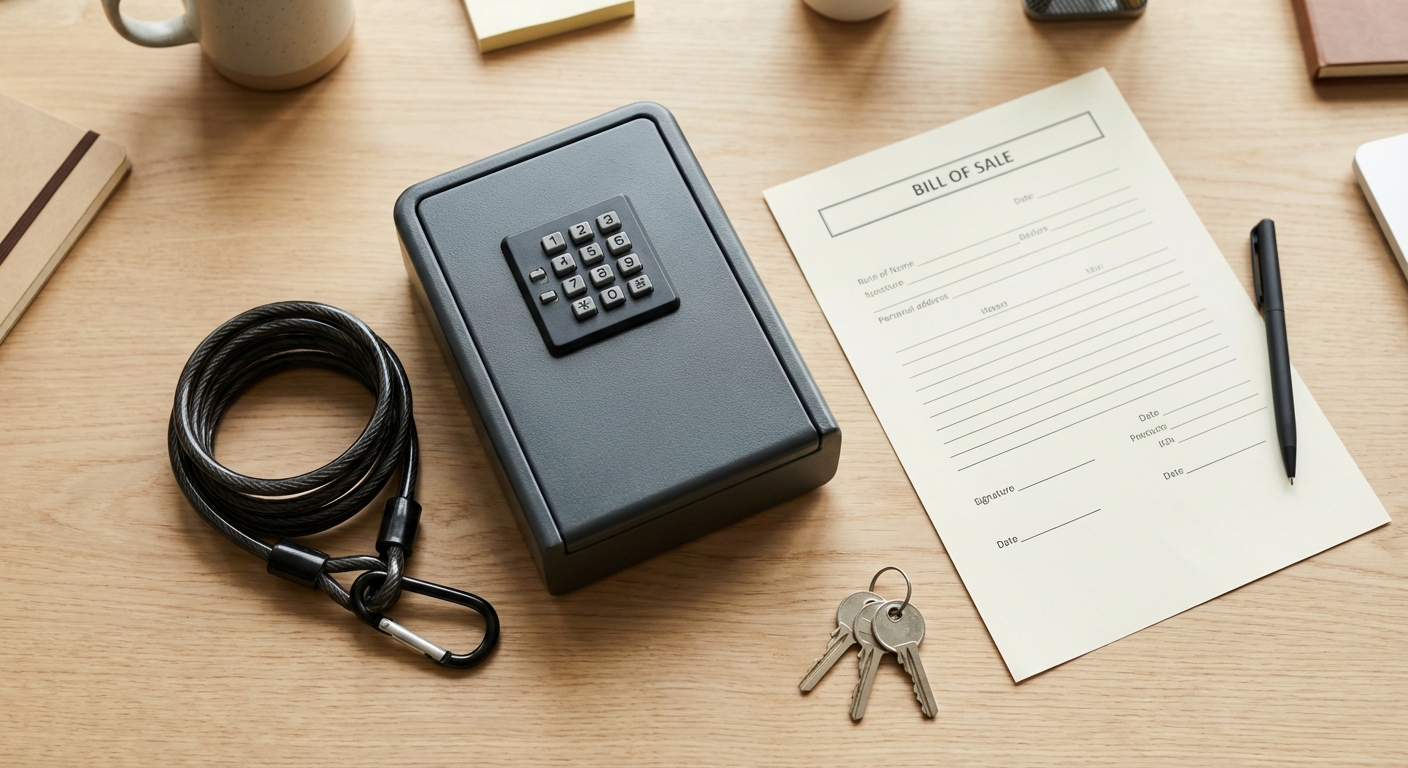
- Pull sold comps from completed auctions, dealer sales, and auction archives, then treat active listings as “wish prices,” not your anchor.
- Filter to true matches, same model and variant, same caliber, similar generation or era, and similar configuration (barrel length, finish, sights).
- Match condition using your Step 2 notes, because finish wear, bore condition, and originality swing value harder than hype.
- Adjust comps for modifications and completeness, then re-check your range, aftermarket parts can help if they’re desirable and well-done, or hurt if they’re irreversible or sloppy.
- Credit included accessories, extra mags, optics, sling, case, and especially box and papers for collector-leaning guns, then discount “random extras” buyers won’t pay for.
- Nudge for local demand and seasonality as a final tweak, not a reinvention, a hunting rifle can move faster in-season, and some models are simply hotter in certain areas.
- Back-calculate net proceeds by channel, so your asking price matches what you want to clear. Dealer buyouts are commonly around 50% to 60% of expected resale value (Guns.com), pawn offers often land around 40% to 60% (Pew Pew Tactical), and consignment commonly takes a commission, often around 10% to 20%. One common consignment structure is a 10% or 20% fee depending on how the shop sells it, which comes straight off the sales price.
A Glock 19 with honest holster wear but no internal issues prices off “used, unmodified” sold comps; add-ons like a basic light rarely return full value, but extra OEM mags usually tighten your range upward.
A SIG P320 with an aftermarket trigger and cut slide is all about buyer trust. Clean work with recognizable parts can hold value, but home-brew mods narrow the buyer pool, so you price closer to plain-vanilla sold comps.
A Beretta 92 that’s complete, matching, and comes with box and papers typically lands higher than the same gun missing its factory setup, because buyers can verify provenance quickly.
A Remington 870 or Ruger 10/22 sells on configuration and condition. A basic, reliable setup is easier to comp than a heavily customized build. An SKS or Colt Python gets even more sensitive to originality and matching details, so you weigh those sold comps the hardest.
Set two numbers before you answer a single message: a reasonable asking range (based on sold comps) and a walk-away net number after fees and costs. That keeps you from negotiating against yourself, and it lets you choose a slightly lower price when speed matters or hold firm when you’re willing to wait out no-shows.
Step 4
Once you know your real-world price range, your next decision is where to actually sell, because the channel you choose is what determines how much time, coordination, and fee drag you’re signing up for. The “best” way to sell a gun in Texas isn’t universal, it’s a match between what you value most: speed, payout, simplicity, or maximum reach. The friction shows up fast once you factor in coordination (meeting and screening), fees (consignment and online platforms), and logistics (shipping and transfers). Pick the channel that fits your tolerance for hassle and your minimum acceptable net, then commit so the sale doesn’t stall out.
- Private sale (in-state): Speed: Medium. Typical net vs retail: Highest. Effort: High. Risk/comfort: Medium. Best for: Maximizing cash on a single gun.
- Consignment at a gun shop: Speed: Medium. Typical net vs retail: High minus commission. Effort: Low. Risk/comfort: Higher comfort. Best for: Strong price without doing the legwork.
- Sell directly to an FFL/dealer: Speed: Fast. Typical net vs retail: Lowest. Effort: Very low. Risk/comfort: Highest comfort. Best for: Immediate sale and clean logistics.
- Online marketplace listing: Speed: Medium. Typical net vs retail: High minus fees and shipping. Effort: Medium. Risk/comfort: Medium. Best for: Hard-to-find models, broader demand.
- Collection/specialty buyer: Speed: Fast. Typical net vs retail: Wholesale convenience. Effort: Very low. Risk/comfort: Higher comfort. Best for: One-and-done for multi-gun lots.
The upside is simple, cutting out the middleman usually leaves you with the strongest net. The tradeoff is time: messages, no-shows, negotiation, and your own screening standards all land on you.
A common Texas shop structure is 20% commission for an in-store consignment sale and 10% if the shop runs it through an online auction. Your payout is the final sale price minus that commission, so your price needs to be set with the fee already baked in.
Online listings widen your buyer pool, but you pay for it. GunBroker’s seller costs are built around a listing or insertion fee, a final value fee tied to the sale price, and optional paid upgrades. Also keep in mind that online or out-of-state sales generally route through the buyer’s receiving FFL for the transfer.
If your priority is speed and low hassle, selling to an FFL or a collection buyer is the cleanest path, you trade net for certainty.
Pick your path: if your top priority is max net, go private or online and accept the coordination. If your top priority is simplicity, choose consignment or a dealer and set a minimum net you’re willing to take, then move it (see this breakdown of selling options and tradeoffs).
Step 5
Even the right price on the right channel can go sideways if the meetup and payment are sloppy, so this is where you protect your peace of mind. A smooth sale is mostly repeatable execution: a safe meetup, sane verification, secure payment, and clean documentation. Most real problems show up at the meetup and money handoff, not in the listing, so run the same checklist every time (and keep private-sale liability and risk reduction in mind).
- Choose the transfer lane before you meet.
- If anything feels uncertain, route it through an FFL for peace of mind.
- If shipping, confirm the receiving FFL’s name, address, and intake rules first.
- Meet in a controlled place.
- Public location, daylight, cameras if possible (bank lobby or gun shop parking lot).
- Bring a friend, and do not bring extra guns or extra cash.
- Trust your gut, if it feels off, you leave.
- Verify buyer identity with reasonable measures.
- Ask to see a Texas ID and make sure the person in front of you matches it.
- If anything is inconsistent or evasive, stop the sale.
- Inspect the firearm together and keep control of it.
- Confirm make, model, and serial match what you agreed to sell.
- Do not allow test firing or handling that turns unsafe.
- Finalize the terms in plain language.
- Price, what’s included (case, mags), and “as-is” expectations.
- Document the deal even though Texas doesn’t require a bill of sale for ordinary private transfers.
- Include firearm description (make, model, serial), date, price, buyer and seller names, and signatures.
- Add a simple attestation that the buyer affirms they are not prohibited from possessing firearms.
- Get paid the safe way.
- Cash in-person is the cleanest option, count it where cameras or a teller can see.
- Cashier’s check only after verification at the issuing bank.
- Avoid PayPal, Venmo, and Cash App, their acceptable-use policies prohibit firearms and can freeze or close accounts.
- Transfer the firearm using the lane you chose.
- FFL transfer: the transferee completes ATF Form 4473 (the federal transfer form for a nonlicensee), and the dealer verifies government photo ID (27 C.F.R. § 478.124).
- The FFL generally runs a NICS background check (the federal background check process) and records the result (27 C.F.R. § 478.102).
- FFL shipment: ship only to the receiving FFL, follow carrier and dealer instructions exactly.
- Store your records.
- Keep the bill of sale and any FFL receipt or shipping documentation.
It’s always okay to slow the transaction down. If any step fails, especially ID, payment, or behavior red flags, walk away and either pause the sale or run it through an FFL.
After the sale and FAQs
Once the firearm is out of your hands, what matters is being able to point back to a clean, consistent process if you ever need to. If you follow the same sequence every time (eligibility and residency, documentation, pricing, channel choice, and safe execution), you can sell with confidence and fewer surprises. Use sold comps to set a real price, treat clean photos and tight documentation as your risk control, pick a channel based on speed versus net, and stick to the safe execution checklist so the handoff stays boring.
Do I need a background check for a private sale in Texas? Generally, no. Texas does not require background checks for most private, face-to-face sales between Texas residents. You still cannot sell if you know the buyer is prohibited from possessing firearms. If you want extra comfort, route the transfer through an FFL.
Should I use an FFL anyway? It’s optional, but it buys peace of mind and a cleaner paper trail. It also aligns with the “safe execution” mindset from Step 5, you meet at the shop, the shop runs the process, and you avoid guesswork. FFLs are required to maintain firearms transaction records for at least 20 years, which is a big reason some sellers prefer this route.
Can I sell to an out-of-state buyer? For a normal sale, interstate transfers between private parties generally must go through an FFL. Treat this as a Step 1 issue and confirm the compliant path before you take payment or ship anything.
What records should I keep? Keep a copy of any bill of sale you used, plus screenshots of messages and your listing photos. Many sellers also note the buyer’s name and a quick ID reference if everyone is comfortable. File it where you can find it later.
What about inherited firearms or a whole collection? Start by sorting and documenting what you actually have before you price anything. For larger collections, an appraisal can prevent underpricing the valuable pieces. If any items are NFA-regulated, the transfer can involve different ATF forms, including Form 5 or Form 4 pathways, so pause and get help from an FFL or an attorney, especially an FFL/SOT for NFA items.
Conclusion
You can sell safely in Texas without leaving money on the table if you stick to the same priorities from the start: protect your peace of mind, don’t get lowballed, and don’t rush past obvious red flags just to move it fast. Follow the rules in Step 1, document the firearm clearly in Step 2, then price from sold comps while thinking in net proceeds in Step 3. The biggest wins come from clean photos and serial-number notes, realistic pricing, choosing the channel in Step 4 that matches your priority, and running the Step 5 checklist so the handoff stays smooth.
If you want a more hands-off path, Cash My Guns is a “Safe • Legal • Hassle-Free” online service that buys guns, ammunition, and accessories, with support in English and Spanish, Se Habla Español.
Cash My Guns is operated by Dunlap Gun Buyers, a federally licensed firearms dealer (FFL), and “all transactions route through licensed FFL dealers.” The flow is straightforward: quote or appraisal, shipping kit or label, FFL receipt, inspection, then payment.