
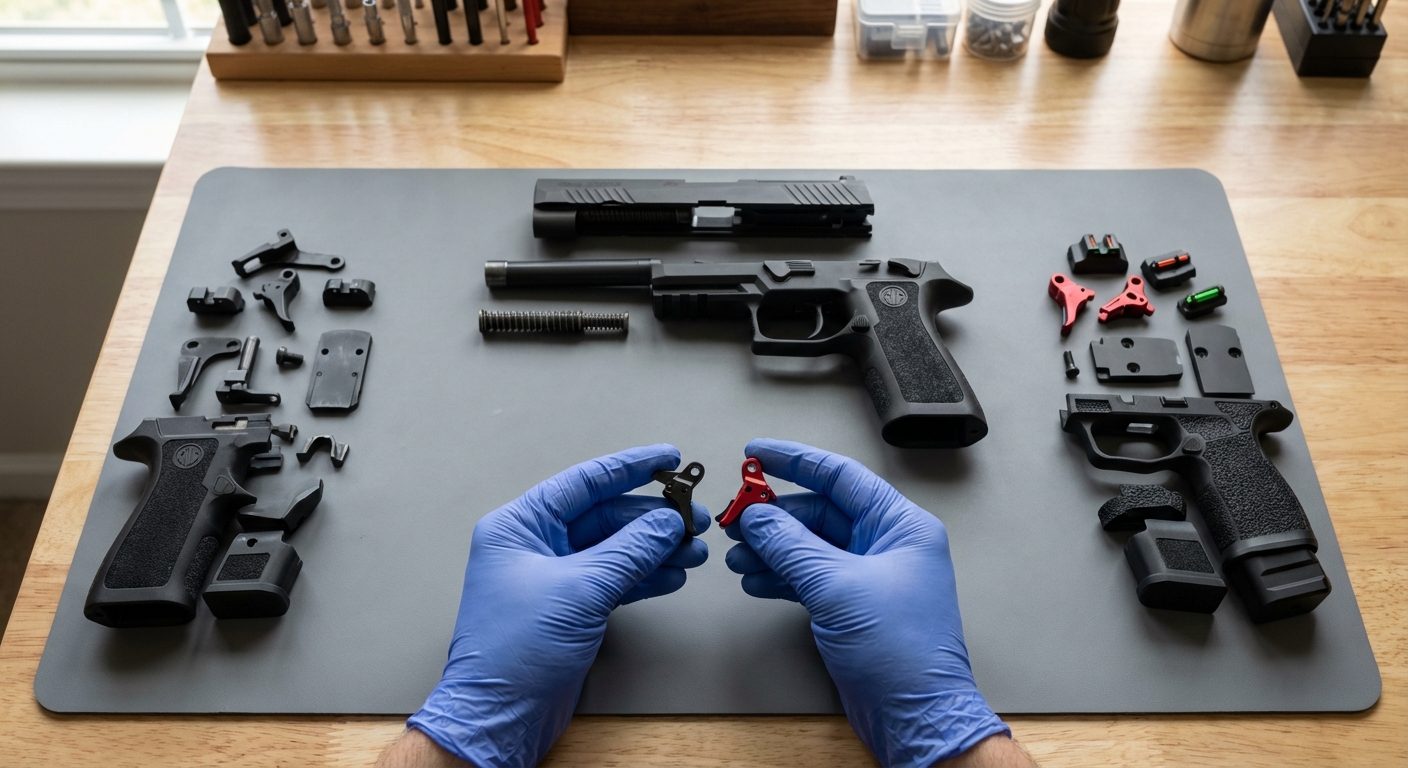

You drop real money on “upgrades,” list the gun, and the first messages you get are either lowballs or skeptical questions like, “Do you still have the original parts?” That’s the punchline nobody tells you up front: “I upgraded it” rarely translates to “it’s worth more.”
The tricky part is that aftermarket modifications, any non-factory changes or added parts made after the firearm left the manufacturer, usually read like personal taste to a buyer, not guaranteed value. Most buyers price a gun the same way: start with the base make and model, then judge overall condition, including finish wear, bore condition, and parts integrity, and on many firearms, whether key components have matching numbers. After that, your mods become just one factor, not the whole story.
So you’re stuck with a real decision: leave it modded, revert it to stock, or bundle the extra parts and sell them alongside the gun. The tradeoff is simple, customization narrows the audience, while factory-correct simplicity sells faster. And every path forces a choice between speed, price, and hassle.
Even if two buyers agree on a headline price, what you actually clear can swing based on selling logistics, platform fees, and shipping or transfer friction. Some channels even bake in prepaid shipping and insurance, which can change your net without changing your asking price.
To make that decision without guessing, it helps to break the problem into three parts: how mods shift market value, which specific changes tend to help or hurt, and how to price, list, and transfer the gun without giving away value.
How Modifications Affect Market Value
Your receipt isn’t the price tag. A $300 trigger job, a $250 optic cut, and a weekend of shop time feels like “added value” because you paid for it. Buyers don’t price your sunk cost, they price what they can verify and what they actually want on their gun.
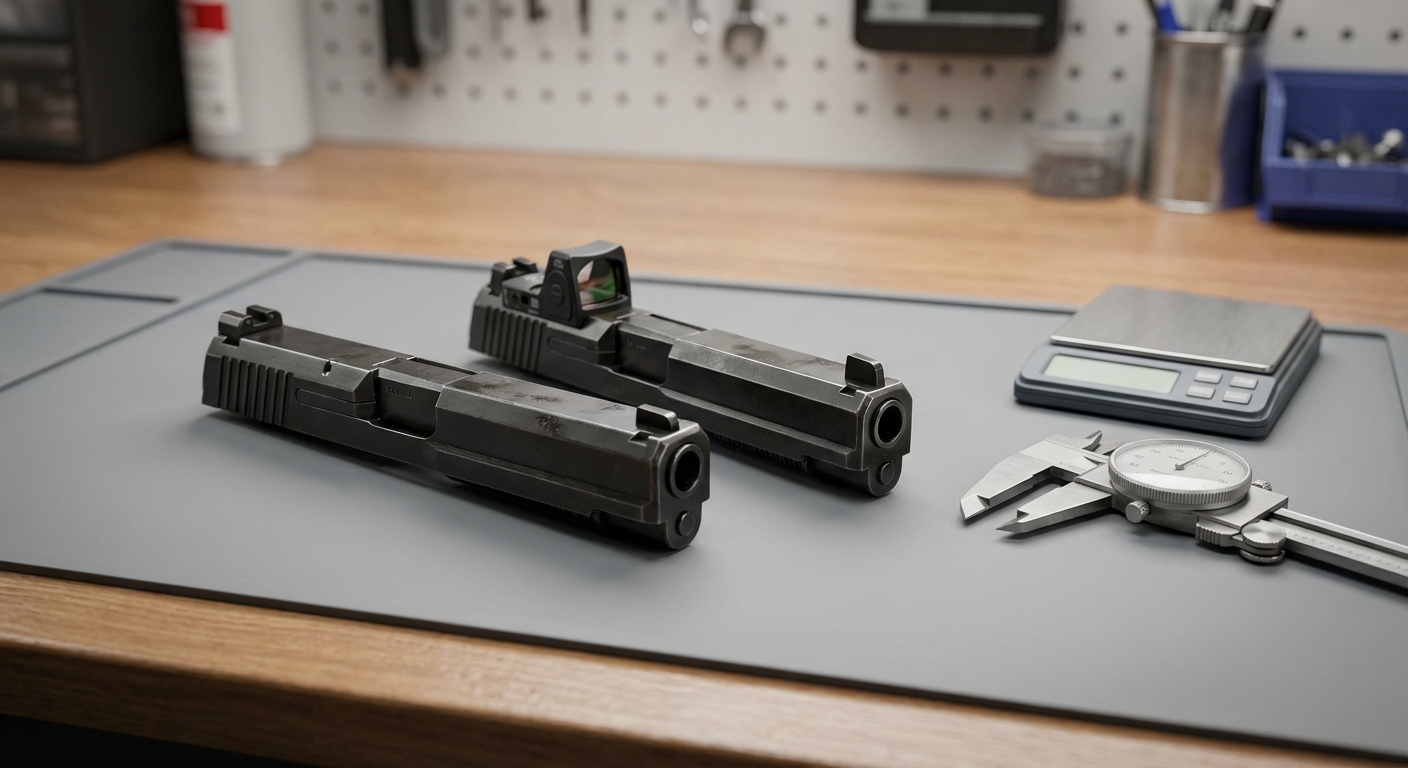
First, mods add risk. A buyer can’t see your torque values, threadlocker choices, or whether parts were fit correctly, so they price in the possibility of troubleshooting later. Second, mods create taste mismatch. Your setup might be perfect for you and wrong for the next person, and reversing it costs time and money. Third, mods make comps harder. A clean, stock example is easy to compare against other listings; a customized one forces the buyer to guess how much of the price is “gun” versus “choices.”
That’s why “stock” often wins. In markets where buyers pay for certainty, factory-original condition, a firearm configuration that matches its original manufacturer setup and finish with no non-factory alterations, often commands a premium because it reduces uncertainty and makes the gun easier to compare against known market benchmarks. Value still moves with supply and demand in the resale market, not just what upgrades cost. Cash My Guns explicitly ties value to make/model and condition, and it evaluates condition through finish, bore, matching numbers, and aftermarket parts. It also says offers are informed by market data (dealer listings plus auctions), seasonality, and regional demand.
Mods still pull their weight when they’re widely accepted and trust-building, meaning the next buyer sees them as lowering hassle instead of adding questions.
The buyer pool matters too. Collector-leaning buyers tend to pay more for originality, while defensive and competition buyers tend to care more about function than provenance. Your takeaway: price and present the gun around buyer value, not install cost, and you’ll predict whether “modded” means faster sale, slower sale, premium, or discount—especially when recent market demand trends shift.
That general rule is useful, but it gets much easier to apply when you sort modifications into the ones buyers generally trust, the ones they tolerate, and the ones that spook them.
Mods That Help, Hurt, or Don’t Matter
Mods don’t just change performance, they change trust. A buyer can’t verify your parts choices or your workmanship in five minutes, so they use shortcuts: clean installs, known components, and a path back to stock all read as “safe purchase.” Sketchy fit, mystery parts, and anything that looks unsafe reads as “walk away.”
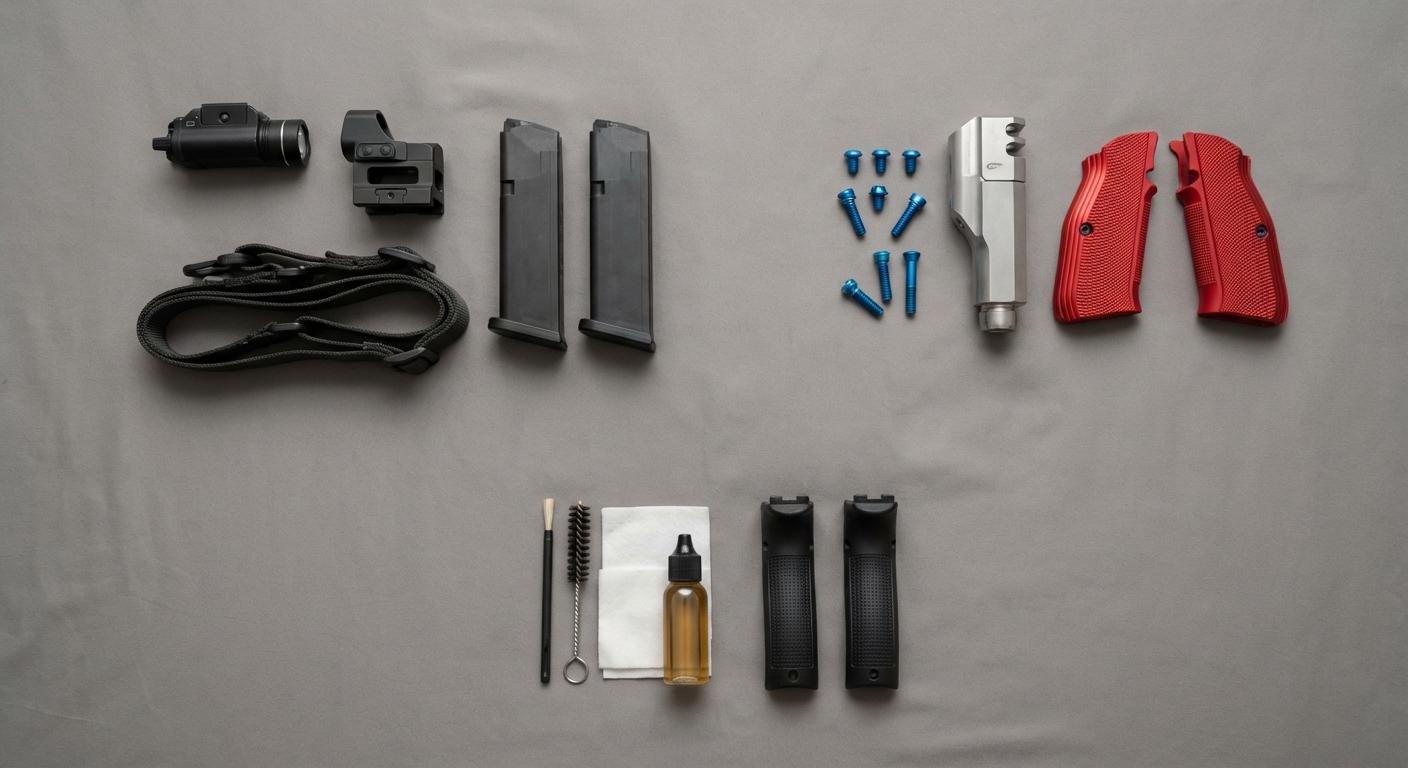
If you can do a reversible modification, a change that can be undone by reinstalling OEM parts without permanently altering the firearm, you usually keep more resale options. Bolt-on optics, drop-in lights, and swappable controls fall here, as long as you kept the factory parts and didn’t chew up screws, pins, or mounting surfaces.
A permanent modification, a change that removes material or alters the firearm in a way that cannot be truly undone without replacing major components, shrinks your buyer pool fast if the workmanship isn’t top-tier. The “serialized frame/receiver” reality matters here: you can replace a trigger shoe, but you can’t cheaply “restore” a frame or receiver once material is gone, holes are drilled, or dimensions are altered. Permanence and craftsmanship become the product.
Sights and optics: A quality optic is usually a plus, but only when the mounting story is clean. The biggest resale confusion is the red dot footprint, the bolt or mounting pattern that physically connects a pistol optic to a slide or adapter plate. Common footprints include RMR, Doctor, and RMSc, and mismatches create immediate doubt: “What exactly fits this cut, and what am I going to have to re-buy?” Keep the box, screws, plate system (if any), and be ready to name the footprint and the exact optic model.
Optic cuts and slide milling: An optic-ready slide from the factory feels low-risk. A custom cut can also sell well, but only if it’s crisp and correctly finished. Sloppy milling, misaligned cuts, bare metal left behind, or stripped fasteners reads like “home-gunsmithing vibes,” and it’s hard to price around because the fix often means a new slide.
Triggers: “Drop-in from a known maker, installed cleanly” is the best-case scenario. Anything involving polishing, stoning, altered engagement surfaces, or undocumented spring changes makes buyers think about doubles, light strikes, and unsafe sear geometry. If you can’t clearly explain what was changed and include OEM parts, many buyers assume the worst.
Barrels and compensators: A simple barrel swap is generally reversible if the original barrel is included. Threaded barrels and comps bring two trust questions: alignment and reliability. If timing, shims, or set screws look improvised, buyers expect baffle strikes, loosening, or cycling problems, and they discount accordingly.
Lights and lasers: A reputable weapon light on a standard rail is usually neutral to positive because it’s pure bolt-on utility. The trust hit comes from chewed rail slots, cracked polymer around the rail, or a pile of mismatched mounting keys with nothing labeled.
Grips and stippling: Tape, sleeves, and swappable grip panels are easy yeses because they’re reversible. Permanent polymer frame work, including stippling, undercuts, grip reductions, and finger-groove removal is effectively irreversible without replacing the frame. If the pattern is uneven, too aggressive, or looks heat-damaged, buyers read it as “this gun lived a hard life.”
Coatings and Cerakote: A professional refinish can move a gun faster if the prep and edges are clean. A rough coating job does the opposite because it raises questions about what’s being covered up. Even when coatings can be stripped and redone, the underlying prep marks and rounded edges don’t magically disappear.
Internal reliability parts: Springs, extractors, and small parts from reputable sources can be fine, but only with documentation and a clear reason. A bag of “upgraded internals” with unknown origin reads like troubleshooting history, not improvement.
Magazines and controls: Extended controls are usually neutral if they don’t cause fit issues. Overly aggressive mag releases that chew magazines, out-of-spec base pads, or controls that bind turn into “this was tuned for one person,” which narrows the buyer pool.
Buyers don’t need a lab to spot trouble. Poor fit and finish, buggered screws, mismatched hardware, and anything that looks unsafe are instant momentum killers. “Unknown parts” and missing OEM parts make it harder for a buyer to return the gun to a baseline they trust. Missing documentation also hurts, especially if you’re making claims about coverage or premium components.
- Revert anything easy to undo if it’s polarizing or hard to explain, then sell the aftermarket parts separately or include them as a labeled bundle.
- Bundle smart: include OEM parts, original screws/plates, and packaging so the next owner has a clean path back to stock.
- Expect a smaller buyer pool for permanent work, and price like it. Permanent changes can look awesome, but they only pay off when the workmanship is obviously professional.
Even when two guns have “mods,” the expectations aren’t the same across categories. What a pistol buyer calls normal can look like a value hit to a collector, and that’s where firearm type starts changing the answer.
Different Rules for Pistols, Rifles, Shotguns
The same modification can be a selling point on one platform and a value hit on another, because buyers shop with totally different “normal” in mind. That’s why “accepted” changes swing wildly by firearm type: the comps you’re being compared against are different.
Defensive-pistol buyers expect practical reliability cues and clean workmanship, not a science project. They get nervous when parts choices feel personal and irreversible, because the next owner can’t easily verify function from photos. Before selling, put the factory parts you still have back in the box and document exactly what’s installed and who did the work.
Competition buyers pay for performance, but only when the setup matches the discipline they shoot (especially with race-gun builds). The catch is that a “perfect” race setup for one rule set can be dead weight to someone running a different division. Before selling, bundle the gun with the supporting pieces that make the build make sense, then price it against comparable competition-ready listings, not stock examples.
If it’s a deer rifle, buyers usually want boring and proven: solid accuracy, a clean bore, and a finish that hasn’t been abused. What spooks them is anything that suggests hard use or amateur work, because field rifles live rough lives. Before selling, clean it like you mean it and be specific about round count, zero history, and any gunsmith receipts.
Plinker buyers are price-sensitive and tend to reward convenience more than perfection. They’ll forgive cosmetic personality, but they won’t pay a premium for it. Before you list, decide if you’re selling a fun bundle (gun plus extras) or reverting to “close to stock” to hit the widest audience.
Working-gun buyers care about utility and durability, so practical setup choices can help if they look professional. They get nervous about anything that limits versatility or hints at heavy, specialized use. Before selling, present it as a tool: show wear honestly, and include the parts that restore flexibility if you have them.
Collector-leaning guns punish non-original changes harder than utilitarian guns, because originality is part of what they’re buying. On these, matching numbers, a condition marker indicating serialized or numbered components correspond as originally issued and often important to collector value, can matter more than the coolest modern upgrade. Refinishing, drilling and tapping, cut barrels, and stock alteration are frequently the point of no return for classic appeal, because the gun stops comparing well to original-condition auction and dealer comps.
The practical move is simple: identify your likely buyer pool first, then decide whether you’re reverting to stock, selling as a purpose-built package, or taking the value hit and pricing it accordingly.
Pricing and Listing a Modified Gun
Overpricing mods is the fastest way to not sell. Buyers don’t care what your parts receipts add up to, they care what a comparable gun actually changes hands for, and how much risk your particular setup adds.
Your anchor is the stock model in comparable condition. Do this before you look at a single upgrade, because the market already bakes in the brand, model, generation, and wear (start with what your gun is worth in its stock configuration).
- Match the exact gun: same model and generation, same major features (optic cut, threaded barrel, SKU differences).
- Match condition honestly: finish wear, bore condition, and any cosmetic dings.
- Pull real market context: prioritize completed sales when you can, then sanity-check against current dealer listings so you’re not anchoring to one weird outlier.
After you’ve got the baseline, add back only a conservative slice of value for high-demand, name-brand upgrades that are easy to verify in photos and with part numbers or serials. If a buyer can’t confirm what it is, they price it like it’s generic, or like it’s hiding a problem.
Treat anything warranty-related the same way: if you’re claiming warranty coverage or provenance on an installed accessory, paperwork beats promises.
Listings that sell read like an inventory sheet, not a story. Include: a complete installed-parts list, what’s included in the sale, a round-count estimate (even if approximate), maintenance notes, and any gunsmith invoices (especially if you’re selling without the box or papers). Also list the OEM parts you still have in the box, because “includes factory trigger/slide/stock parts” lowers buyer anxiety.
Photos should be boring and clear: full left/right shots, top-down, and close-ups of wear points and the modified areas. Show the exact spots buyers worry about.
If you want a low-friction option where buyer confidence is built into the process, Cash My Guns markets itself as “Safe • Legal • Hassle-Free” and operates as a nationwide online purchasing service with prepaid, insured shipping and an inspection-based offer flow.
Keep the mindset simple: baseline first, modest add-on for verifiable upgrades, then package trust with documentation, OEM parts, and honest photos.
Pricing is only half the battle, though. If the transfer gets complicated (or the shipping and compliance friction spooks a buyer), the cleanest listing in the world can still stall out.
Selling Safely Across Different States
The “best price” can evaporate fast if the deal turns into a compliance headache or, worse, a transfer you should not be doing. Modified guns feel this friction more because the parts that add value to one buyer can make the gun harder to move in another jurisdiction.
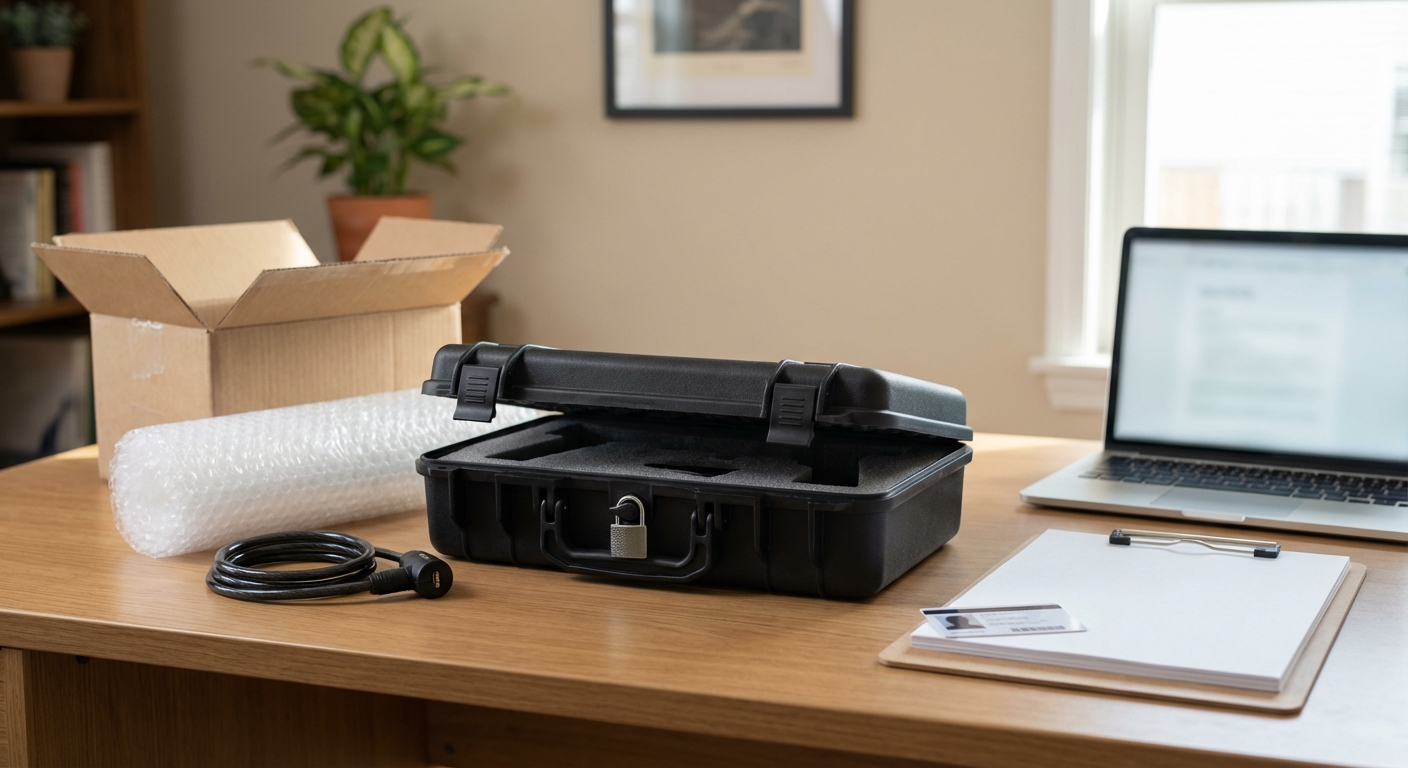
Most interstate sales need an FFL transfer, a firearm transfer completed through a Federal Firearms Licensee, typically involving required paperwork and a background check at the receiving dealer, so the buyer takes possession legally and you have a clean trail. Federal law generally bars an unlicensed seller from transferring directly to an unlicensed resident of another state, and it generally bars an unlicensed buyer from acquiring out of state and bringing it home (18 U.S.C. § 922(a)(5) and § 922(a)(3)).
You can still sell: a private seller may ship the firearm to an FFL in the buyer’s state, and the FFL receives it and completes the regulated transfer to the buyer (see how to sell your gun online).
Fourteen states and D.C. have magazine-capacity restrictions, commonly capped at 10 or 15 rounds. If your setup includes restricted magazines or features, you may need to swap parts or exclude items to make the sale workable for that buyer.
Leaning on reputable, structured channels reduces scam risk and keeps the handoff consistent, for example, services like Cash My Guns that operate as a nationwide online purchasing service and handle state-law compliance through their process (compare your options for selling a gun).
Actionable takeaway: pick the channel that fits your real buyer pool, assume interstate deals will run through an FFL on the buyer’s end, and confirm current rules with official state resources or a local FFL before you promise anything.
A Simple Decision Checklist
Mods only help your resale when they increase buyer confidence and fit, not when they just increase your sunk cost.
- Do the math: treat install costs as mostly unrecoverable unless they clearly raise value to the next buyer.
- Protect originality: factory-original condition usually draws stronger interest, save your OEM parts and packaging.
- Stay reversible: bolt-on swaps are easier to trust, permanent cuts and refinishes narrow your buyer pool fast.
- Eliminate friction: confirm optic compatibility up front because red dot footprint confusion kills deals.
- Respect collector cues: matching numbers matter more on collector-leaning guns, and interstate sales typically run through an FFL transfer.
If your inbox is full of “Do you have the original parts?” and “Who did the work?”, this is why: buyers are paying for certainty. The more you can make the gun easy to compare, easy to trust, and easy to transfer, the less you’ll feel that gap between “what I spent” and “what the market will pay.”
If you want an expert appraisal and offer route, Cash My Guns, operated by Dunlap Gun Buyers (a federally licensed FFL), buys guns, ammo, and accessories nationwide through an online submit-details-and-ship process, and you can send details and photos for a no-obligation appraisal based on make/model, condition (finish, bore, matching numbers, aftermarket parts), and current market demand.