How to Sell Inherited Firearms: A Complete Legal Guide
Your cousin says, “Just drive them over and sell them,” and that’s exactly where people get in trouble. Most inherited gun mistakes happen before the…


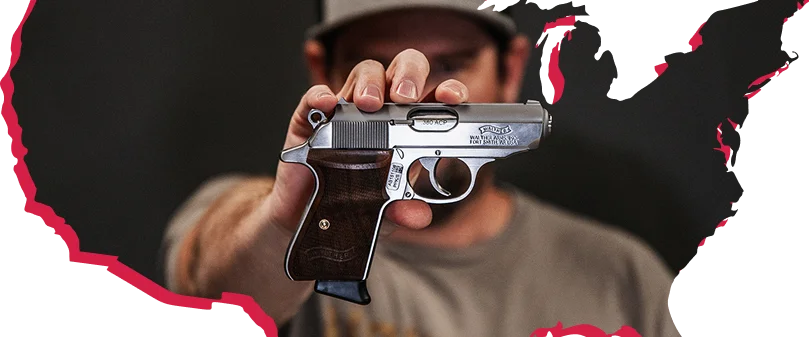
Most people who contact us aren’t gun dealers or collectors. They’re someone whose father passed and left a safe full of firearms nobody knows anything about. A retiree downsizing to a smaller home. A spouse going through a divorce who needs to split assets. A parent who’s suddenly uncomfortable with guns in the house. Life happens, and when it does, we handle the firearms part so you can focus on everything else.
A significant portion of our customers have never bought, sold, or fired a firearm. They're heirs who inherited a gun collection they didn't ask for. They're widows or widowers settling an estate. They're people who moved in with a partner and discovered firearms in the closet they'd rather not have around. Gun ownership carries legal responsibility, and many people reasonably decide that responsibility isn't for them. That's a perfectly valid choice, and we're built to help.
We'll identify the firearms for you from photos if you don't know what you have, provide free expert appraisals, explain the process in plain language, and handle every piece of paperwork and compliance so you never have to walk into a gun store or figure out ATF regulations on your own.
An estate with 40 firearms requires a different approach than a single inherited handgun. A retiree downsizing voluntarily has different priorities than someone who needs to sell during a divorce settlement. A gun owner relocating from Texas to California faces a regulatory shift that may make certain firearms impractical to keep. We've handled all of these situations and more, across every state, since 2013.
"I've had firearms all my life, and I've enjoyed every bit of it. I'm getting too old to hunt any longer. My children have no interest in hunting or target shooting, and I didn't want to burden my wife when I die. Honestly, it was just easier to sell them all in one place." — Verified CMG Seller
Settling an estate, liquidating property, or downsizing from a large home to something smaller. How to sell a full gun collection efficiently, avoid estate sale pitfalls, and get fair market value.
View Guides →A parent or relative passed and left behind firearms you don't want, don't understand, or aren't comfortable having in your home. Guides on legal ownership transfer, valuation, and selling inherited guns.
View Guides →Moving to a new state with different gun laws. Going through a divorce and splitting assets. Retiring from hunting. Whatever the trigger, we make selling fast and frictionless from any state.
View Guides →Sometimes a gun in the home makes you uncomfortable. Maybe you never wanted it, or circumstances changed. Your options for safe, legal disposal that also puts money in your pocket instead of a buyback gift card.
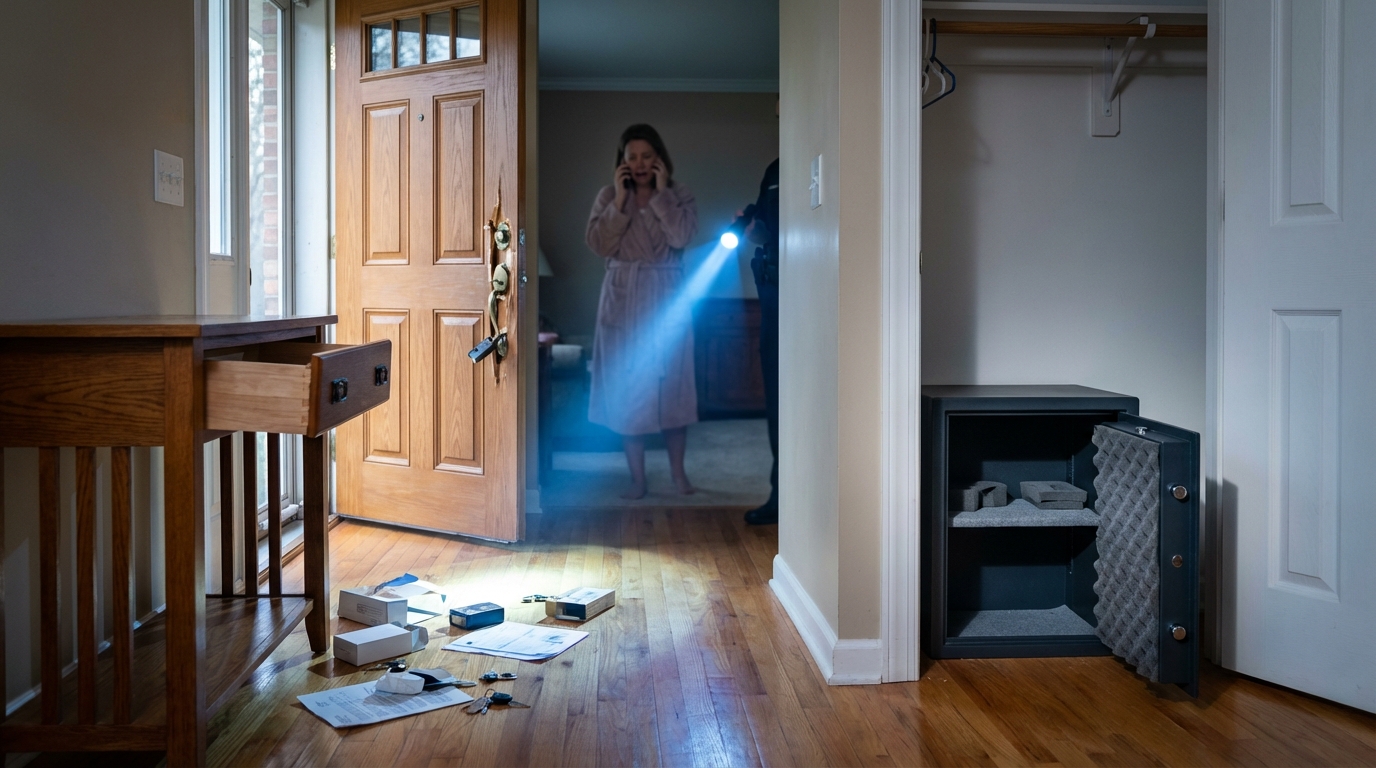
View Guides →Your cousin says, “Just drive them over and sell them,” and that’s exactly where people get in trouble. Most inherited gun mistakes happen before the…
You’re in the middle of a divorce, emotions are high, and you just want the gun out of the house. You also don’t want your spouse accusing you of…
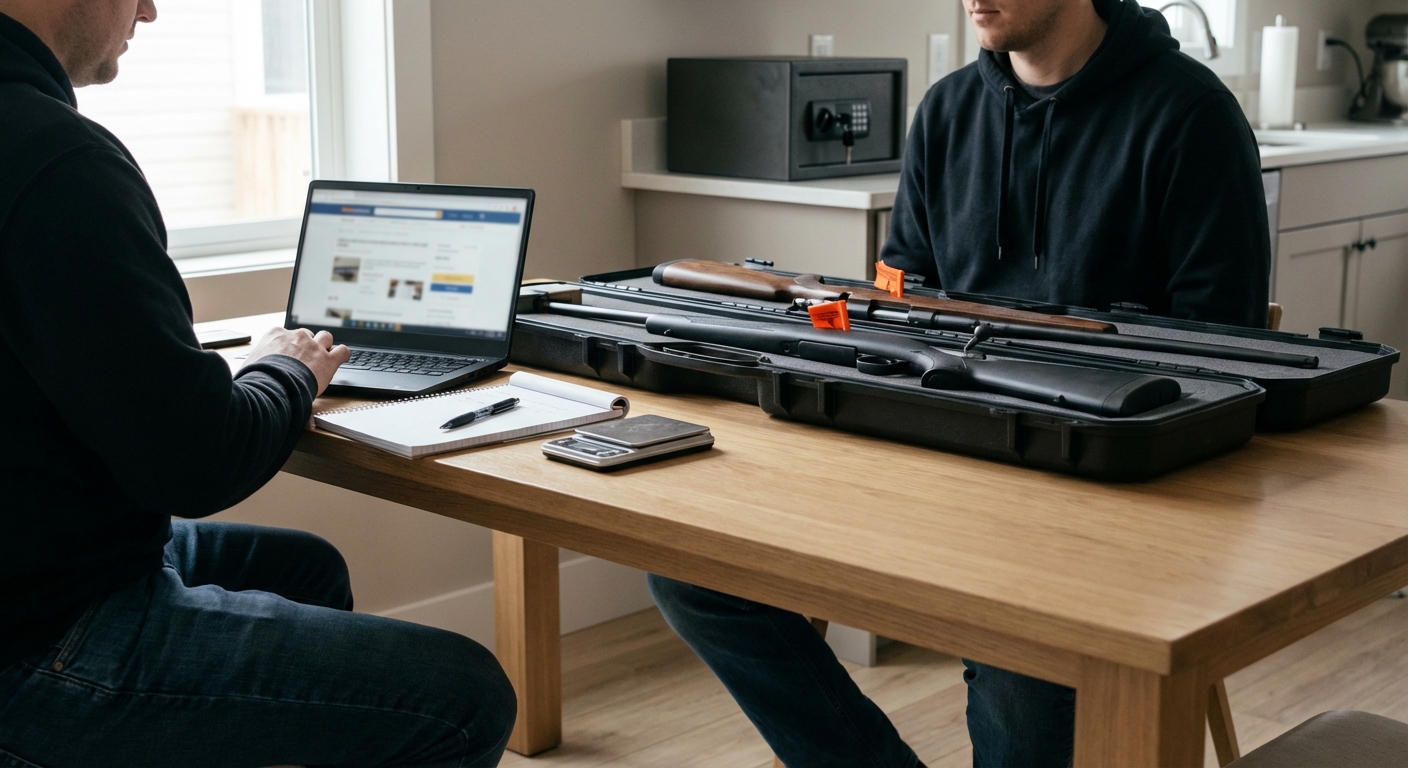
You’ve got a few personal firearms you’re ready to move, but you’re busy, and the stuff that stalls you out isn’t the sale itself, it’s the rules,…
The first 72 hours matter most. You’re standing in a room that doesn’t feel like yours anymore, and the thought hits hard: “I don’t even know what’s…
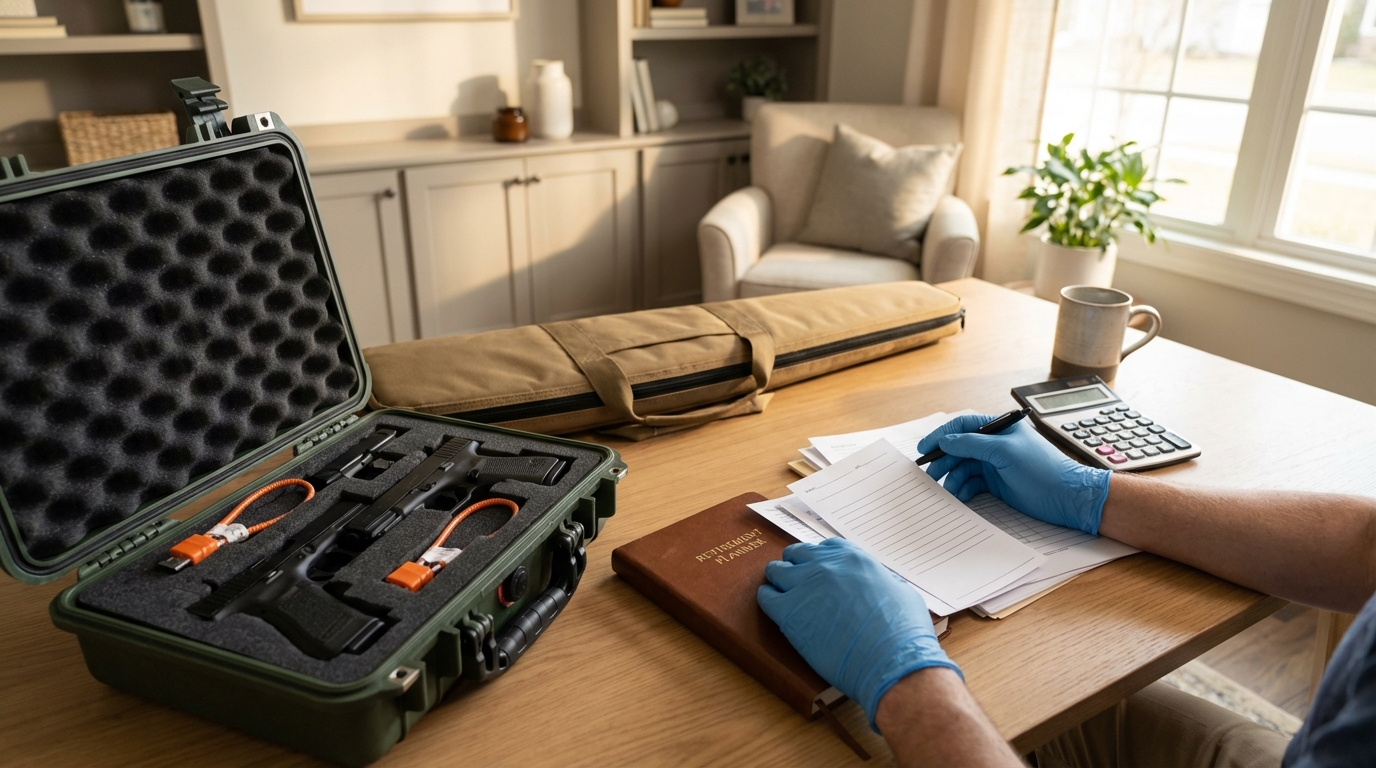
You’re retired, the budget feels tighter every month, and “extra” cash is hard to find. Meanwhile, you might have meaningful retirement money sitting…
You’re packing lists, not negotiating with strangers on the internet. But between a deployment or PCS date, household logistics, and unit deadlines,…
You open a closet, a safe, a drawer, and there they are, firearms you didn’t expect to be responsible for. You’re trying to do the right thing, but…
You’re two weeks from the move, your house is half-boxed, and then it hits you: firearms don’t move like lamps or couches. If you’re driving through…
You’ve probably checked used-gun prices lately and walked away more confused than informed. One listing looks like a steal, the next feels like it’s…
Deciding to sell a firearm rarely feels like selling “an object.” You are weighing what it represents in your life, protection, training, family…
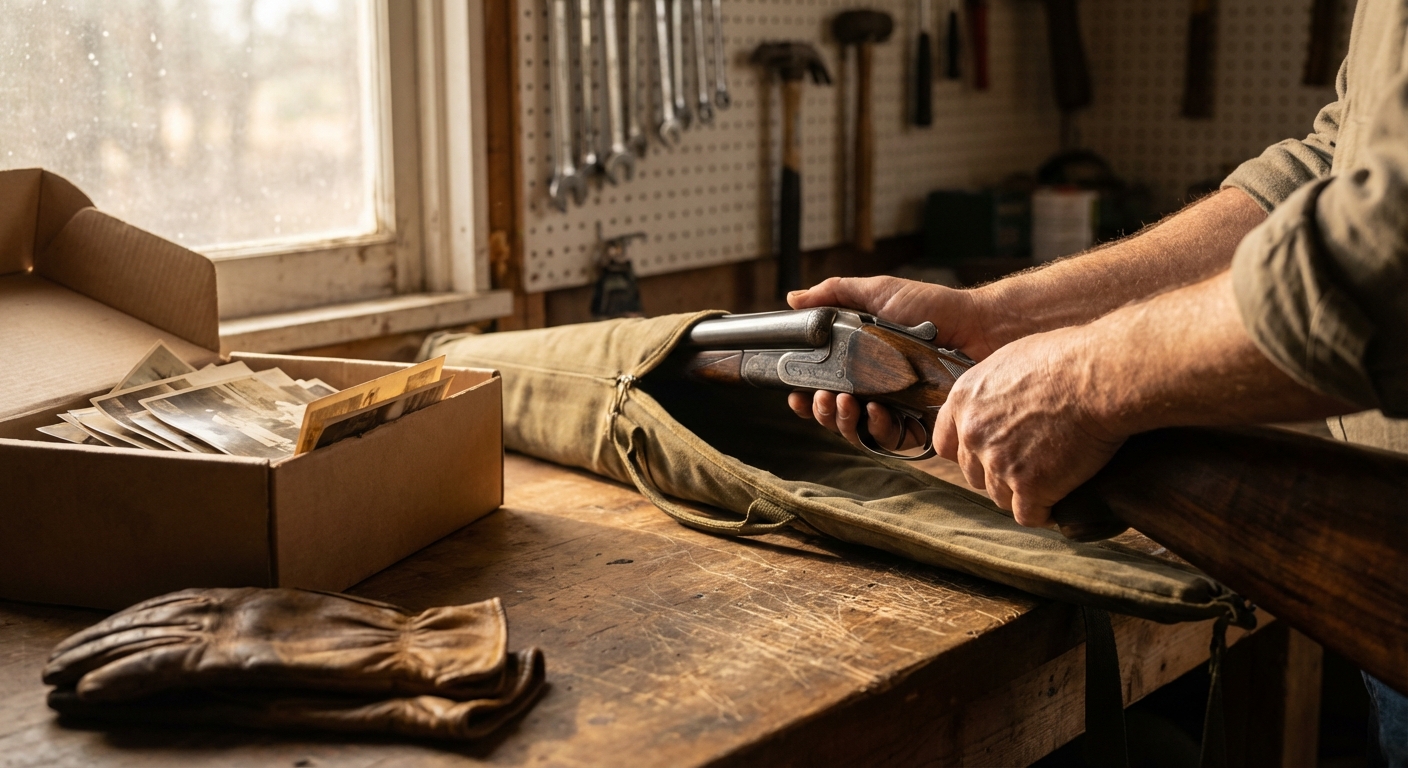
You open the closet and there it is, Grandpa’s old shotgun, still in the case, still smelling like oil and seasons you weren’t alive for. The problem…
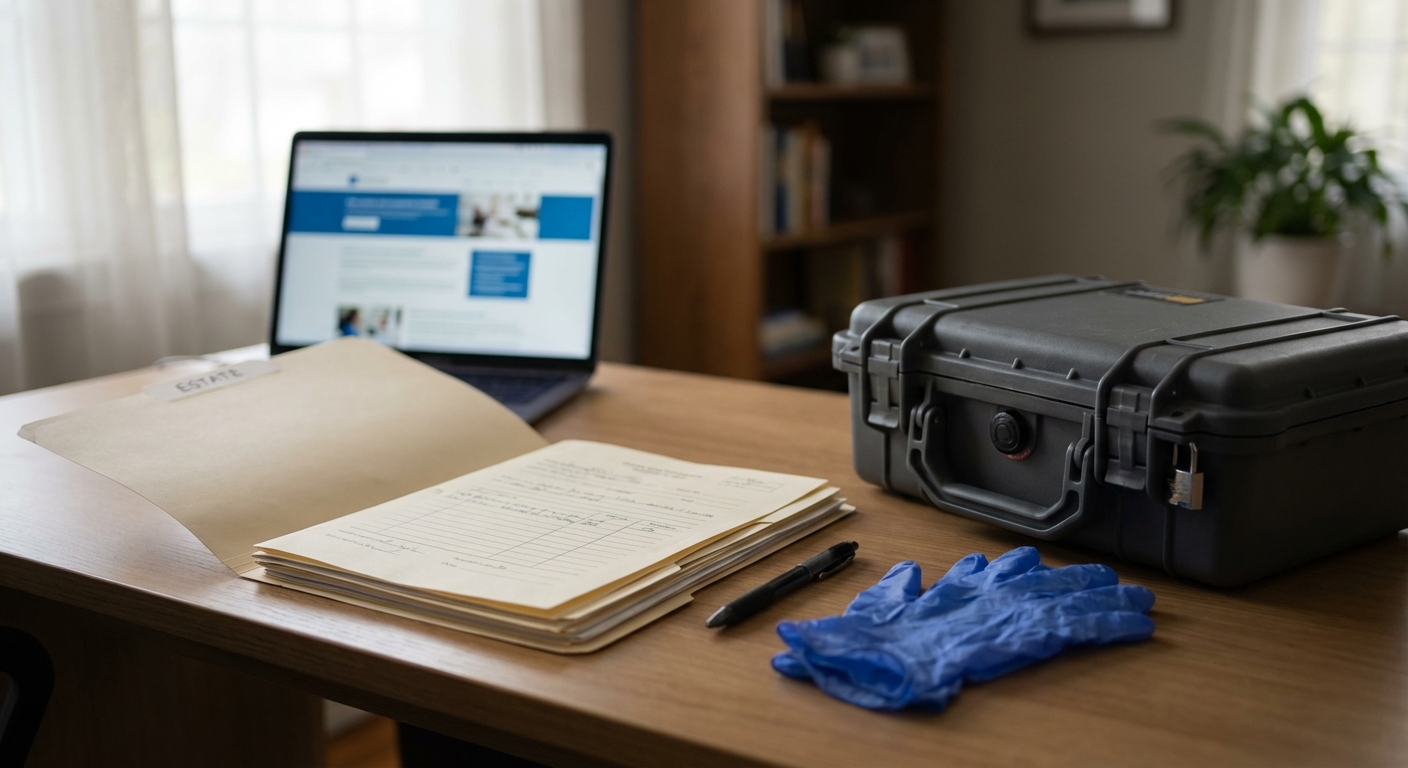
Confirm you are the legal heir with documentation (will, probate documents, or affidavit of heirship). You must be at least 18 and legally eligible to possess firearms. Then submit photos and details to CashMyGuns.com for a free appraisal and offer. We'll identify the firearm if you don't know what it is, provide a prepaid insured shipping label, and pay you once it arrives. We handle all transfer paperwork. Many of our customers are non-gun-owners who have never done this before.
Yes. As executor, administrator, or legal heir, you have the authority to sell firearms from the estate. You may need documentation proving your authority (letters testamentary, court orders, or the will). We regularly work with estate executors selling individual firearms or entire collections, and we handle all legal transfer requirements in every state.
Estate sales are generally a poor choice for firearms. Estate sale companies often lack the expertise to accurately value guns and price them well below market. Some refuse to handle firearms at all. Selling to a specialized buyer like CashMyGuns.com typically results in better pricing because we understand the specific market value of individual makes, models, and conditions.
You can sell to a licensed FFL dealer like CashMyGuns.com for fair market value, sell to a local gun store (typically 50-65% of value), surrender to law enforcement (no compensation), or participate in a government buyback (usually well below value). Selling to us is the best combination: you never meet a stranger, we handle all compliance, shipping is free and insured, and you receive payment quickly. If you don't know what type of gun you have, send us photos and we'll identify it.
Buyback programs serve a public safety purpose, but they rarely offer fair market value. They typically pay $50-$200 per firearm in gift cards or small cash payments regardless of the gun's actual worth. A firearm valued at $800 might bring $150 at a buyback event. If your goal is safe removal and fair compensation, selling to a licensed dealer gets you significantly more while being equally safe and legal.
Submit your collection details through CashMyGuns.com and we'll appraise each firearm individually. You can sell the entire collection or choose specific pieces. We provide prepaid insured shipping for everything and handle all FFL transfer requirements. For very large collections, we can arrange pickup logistics. Many of our customers are retirees, gun owners relocating to states with different regulations, or people going through life transitions who need to sell quickly.
Life events are the most common reason people sell firearms. Not because the gun lost value or because they're upgrading, but because something in their life changed and the firearm no longer fits. At CashMyGuns.com, we've handled thousands of these situations since 2013, and we understand that the people in them often have no experience with guns, gun laws, or the selling process.
A parent, grandparent, or spouse passes away and leaves behind one or more firearms. The heir may not be a gun owner, may not know what the firearms are, and may not want them in the house. Inherited firearms come with legal considerations: you need documentation proving you're the rightful heir (a will, probate court documents, or an affidavit of heirship), and some states have specific regulations for inherited firearms transfers. Beyond the legal requirements, there's the emotional weight. These guns often carry family history and sentimental value that can make the decision to sell feel complicated. We approach every inherited collection with the understanding that there's a story behind it, and we treat the process with the care it deserves.
Estates often contain firearms that the executor or heirs need to liquidate quickly as part of the settlement process. The instinct is to include them in an estate sale, but that's usually a mistake. Estate sale companies typically don't have firearms appraisal expertise, so guns get priced using guesswork rather than market data. Some estate sale companies won't touch firearms at all because of liability concerns. A specialized firearms buyer can appraise each piece individually based on its actual make, model, condition, and current market demand, often resulting in significantly higher total value than an estate sale would produce.
Retirees downsizing from a family home to a smaller residence are one of our largest customer segments. Many have collections built over decades that no longer fit their lifestyle. Their children may have no interest in firearms, and they'd rather not burden family members with the responsibility after they're gone. Gun owners relocating between states also face the reality that firearms legal in one state may be restricted or banned in another. Moving from Texas to California, for example, means contending with an approved handgun roster, magazine capacity limits, and assault weapons restrictions that could make parts of a collection impractical to keep. Selling before the move is often the simplest path.
Not everyone who possesses a firearm chose to acquire it. Hand-me-downs, guns left behind by former partners, and inherited pieces all create situations where someone has a firearm they never wanted. Without proper training and understanding, there's more liability in owning a gun than not, and many people reasonably conclude that the safest option for their family is to remove it from the home. Government buyback programs address this need, but they consistently pay well below market value, often offering flat-rate gift cards of $50-$200 regardless of what the firearm is actually worth. Selling to a licensed FFL dealer like CashMyGuns.com provides the same safe, legal removal from the home while also ensuring you receive fair compensation for what may be a valuable asset.
Firearms are assets, and they're subject to the same division and liquidation requirements as other property during divorce proceedings, bankruptcy filings, and court-ordered asset sales. These situations often require fast, documented transactions with clear paper trails. Selling through a licensed FFL provides a verifiable bill of sale with itemized records, which is exactly what courts and attorneys need to document the disposition of firearms as part of a legal proceeding. We work with attorneys, executors, and individuals navigating these situations regularly.
When buying or selling a firearm in the state of Alabama all parties involved should have knowledge of the state’s laws and regulations that govern…
June was a big month for collectors, with some truly iconic firearms passing through our doors. For those who love history you can hold, these guns…
The Beretta 950BS Jetfire is a classic semi-automatic pocket pistol renowned for its compact design and unique tip-up barrel. As a discontinued model…
Why Do Gun Owners Like Shotguns of the World Wars? Shotguns utilized by soldiers during the World Wars occupy a unique place in the realm of…