How to Sell a Gun in Minnesota: A Comprehensive Guide
Selling a gun in Minnesota to a non-licensed person can be a stressful process with current regulations in place. The state of Minnesota has numerous…

The Midwest is a region of sharp contrasts for firearms sellers. Illinois requires a FOID card for both buyer and seller and bans certain semi-automatic firearms. Michigan expanded universal background checks to all firearms in 2024. Minnesota requires permits for handgun and semi-auto transfers. Cross the border into Ohio, Indiana, Iowa, Missouri, or Kansas and you’re in some of the most permissive states in the country. Our guides, sourced from official state legislature websites and ATF memoranda, cover the specifics for every midwestern state.
The Midwest divides cleanly into two tiers. Illinois and Michigan have comprehensive firearms regulations rivaling coastal states. Illinois requires a Firearm Owners Identification (FOID) card to buy, sell, or possess firearms, mandates seller verification of the buyer's FOID, requires 10-year record retention for private sales, and enacted the 2023 Protect Illinois Communities Act banning certain semi-automatic firearms and high-capacity magazines. Cook County adds its own layer of restrictions on top of state law.
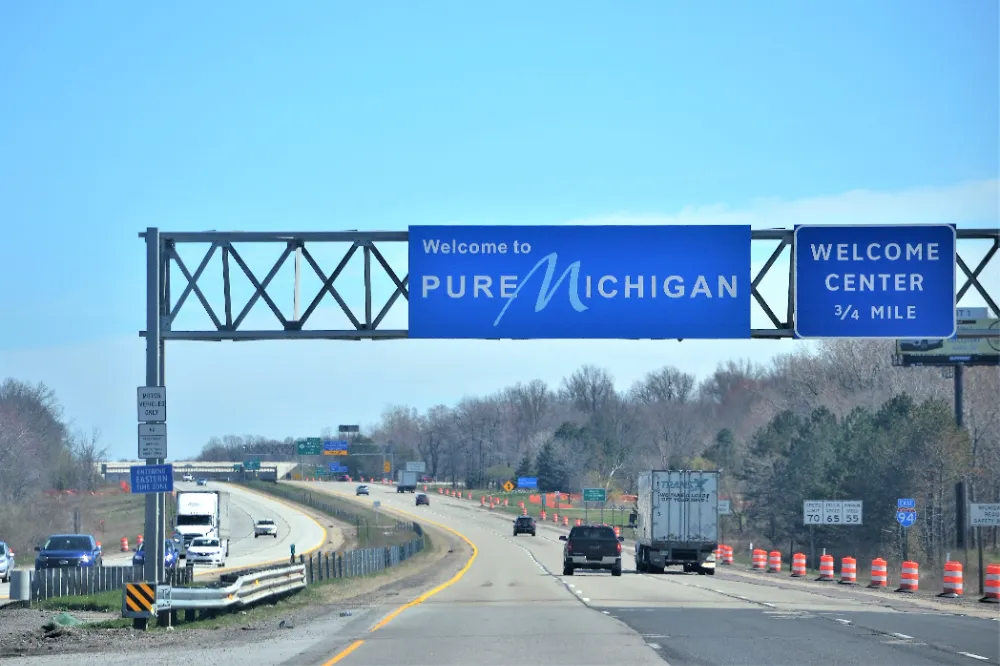
Michigan expanded its background check system in February 2024, requiring purchase licenses or background checks for all firearms (previously only handguns). Safe storage laws and red flag orders rounded out the legislative package. Minnesota sits in the middle, requiring permits for handgun and semi-automatic transfers but leaving other long guns largely unregulated for private sales.
The remaining midwestern states operate on frameworks similar to the permissive South. Ohio, Indiana, Iowa, Missouri, Kansas, Wisconsin, Nebraska, North Dakota, and South Dakota all allow private firearms sales without a state-mandated background check. Most have permitless concealed carry and strong state preemption preventing local ordinances from adding restrictions.
Wisconsin is a mild exception: while private sales don't require a background check, the state imposes a 48-hour waiting period for handgun purchases from dealers. This doesn't apply to private sales, but sellers should understand the distinction since it frequently causes confusion.
Whether you're navigating Illinois FOID requirements or Ohio's straightforward federal-only framework, selling to a licensed FFL like CashMyGuns.com eliminates compliance complexity entirely. We handle FOID verification, Michigan purchase licenses, and every other state-specific requirement.
FOID card required for buyer and seller. Seller must verify buyer's FOID via ISP. 10-year record retention for private sales. 72-hour wait for handguns, 24-hour for long guns (FFL). Protect Illinois Communities Act bans certain semi-autos. Cook County adds local restrictions.
Illinois Guides →No background check for private sales. No waiting period. No registration. Permitless concealed carry. Strong state preemption. Defaults to federal law. One of the most permissive states in the region.
Indiana Guides →No background check for private sales (permit to acquire previously required for handguns, eliminated in 2021). Permitless concealed carry. No registration. Constitutional carry amendment passed. Defaults to federal law for private transfers.
Iowa Guides →No background check for private sales. No waiting period. No registration. Permitless concealed carry. Strong state preemption. Defaults to federal law for private firearms transactions between Kansas residents.
Kansas Guides →Universal background checks for all firearms (expanded Feb 2024). Purchase license required from local law enforcement or valid CPL. Pistol registration with local police within 10 days. Safe storage laws. Red flag / ERPO. Seller responsible for submitting sale records.
Michigan Guides →Permit to purchase or carry required for handgun and semi-automatic military-style assault weapon transfers (including private sales). 3-day waiting period if no valid permit. Other long gun private sales do not require background check. Permits issued by local police chief or county sheriff.
Minnesota Guides →No background check for private sales. No waiting period. No registration. Permitless concealed carry. Second Amendment Preservation Act (SAPA) limits enforcement of certain federal gun laws. Among the most permissive states in the nation.
Missouri Guides →Handgun purchase certificate requirement repealed in 2023. No background check for private sales. No waiting period. No registration. Concealed carry with permit. Defaults to federal law for private transfers.
Nebraska Guides →No background check for private sales. No waiting period. No registration. Permitless concealed carry for residents (2017). State preemption in effect. Defaults to federal law for private firearms transactions.
North Dakota Guides →No background check for private sales. No waiting period. No registration. State preemption limits local restrictions. Permitless concealed carry (2022). Defaults to federal law for private transfers between Ohio residents.
Ohio Guides →No background check for private sales. No waiting period. No registration. Permitless concealed carry (2019). Among the least regulated states in the country for firearms. Defaults entirely to federal law.
South Dakota Guides →No background check for private sales. No registration. 48-hour waiting period for dealer handgun purchases (not private sales). DOJ background check form required for dealer sales. Concealed carry with permit. State preemption of local ordinances.
Wisconsin Guides →Selling a gun in Minnesota to a non-licensed person can be a stressful process with current regulations in place. The state of Minnesota has numerous…
Selling a gun in Missouri requires knowledge of the state’s laws to ensure gun owners are in compliance and don’t make any mistakes during the…
Selling a gun in Ohio isn’t complicated, until you assume the wrong thing. The classic setup looks innocent: a buyer messages you, says they’re “in…
The fastest way to get in trouble selling a gun in Illinois is assuming it’s “just a private sale.” You’re probably feeling that low-grade anxiety…
The sale itself usually isn’t what gets Michigan sellers in trouble. It’s the small mistakes, handing it to the wrong buyer, crossing state lines the…
Selling a gun in Iowa requires knowledge of the state’s laws to ensure gun owners are in compliance and don’t make any mistakes. The state of Iowa…
In Cook County, Illinois, there are several laws and regulations that govern the purchase and sale of firearms. Understanding these laws is important…
Selling a gun in the state of Kansas can be a complicated process. It requires knowledge of Kansas’ firearm regulations to ensure gun owners are not…
Selling a gun in South Dakota requires knowledge of the state’s laws to ensure gun owners are not breaking any laws and do not make any mistakes…
Selling a gun in Michigan requires knowledge of the state’s laws to ensure buyers and sellers are in compliance and don’t make any mistakes. The…
If selling a gun in North Dakota, having knowledge of the state and federal laws can help ensure gun owners do not unintentionally violate them…
Illinois has stronger gun laws when compared to other places in the United States. With some of the strictest firearms regulations in the U.S.,…
Yes. Both buyer and seller must possess a valid FOID card to legally transfer a firearm in Illinois. The seller must verify the buyer's FOID by contacting the Illinois State Police or using their online verification system. Private sellers must retain a record of the sale for 10 years, including the buyer's FOID number, firearm description, and date of transfer. The Protect Illinois Communities Act (2023) also bans certain semi-automatic firearms and high-capacity magazines. Selling to CashMyGuns.com as a licensed FFL simplifies the process significantly.
Michigan expanded background check requirements in February 2024. All firearms purchases (including rifles and shotguns, previously exempt) now require a purchase license from local law enforcement or a valid Concealed Pistol License (CPL). For long guns purchased through an FFL, a NICS check within 5 days substitutes for the purchase license. Sellers are responsible for submitting pistol registration to local police within 10 days. Michigan also enacted safe storage requirements and red flag laws (Extreme Risk Protection Orders).
Yes. Ohio does not require a background check for private sales between unlicensed individuals. No waiting period, no registration, and state preemption limits local restrictions. Permitless concealed carry became law in 2022. Federal prohibitions on selling to known prohibited persons still apply to every transaction.
No. Wisconsin does not require background checks for private sales. The state does impose a 48-hour waiting period for handgun purchases from licensed dealers, which does not apply to private sales. Dealer sales require a DOJ background check form. For private transactions, federal law is the only baseline: sellers cannot knowingly transfer to a prohibited person.
Minnesota is moderate. The state requires a transferee's permit or background check for handgun and semi-automatic military-style assault weapon transfers, including private sales. Other long guns (bolt-action rifles, standard shotguns) don't require a background check for private sales. There's a 3-day waiting period for handgun and semi-auto transfers if the buyer doesn't have a valid permit. Sellers should verify the buyer has the appropriate permit before transferring regulated firearms.
Yes. We hold active FFLs and buy from all 50 states. Whether you're in Illinois with its FOID requirements, Michigan with expanded background checks, or permissive Ohio or Indiana, the process is the same: submit details, receive a free appraisal, ship with our prepaid insured label, get paid. We handle all state-specific compliance.
The Midwest presents a stark regulatory divide. Two major states (Illinois and Michigan) have comprehensive firearms regulations that rival coastal states, while the remaining states in the region operate on some of the most permissive frameworks in the country. Sellers who live near state borders (Chicago-area residents selling in Indiana, Detroit-area residents selling in Ohio) face dramatically different rules depending on which side of the line they're on.
Illinois operates one of the most comprehensive state-level firearms regulatory systems in the country. The Firearm Owners Identification (FOID) card is the foundational requirement: every person who possesses, purchases, or sells a firearm in Illinois must have a valid FOID card issued by the Illinois State Police. For private sales, the seller is legally required to verify the buyer's FOID card by contacting the ISP or using their online verification portal and must retain a record of the transaction (buyer's FOID number, firearm description, date, and transfer details) for 10 years. Failure to verify or retain records carries criminal penalties.
The 2023 Protect Illinois Communities Act added an assault weapons ban, prohibiting the sale, manufacture, and delivery of certain semi-automatic firearms and magazines exceeding specified capacities. Existing owners may keep registered firearms but cannot sell or transfer them within the state. Cook County (Chicago and surrounding suburbs) layers additional restrictions on top of state law, including a separate assault weapons ordinance that preceded the state ban. For Illinois sellers, compliance is multi-layered and carries real criminal exposure for violations.
Michigan's firearms regulatory landscape changed significantly with legislation signed in 2023 and implemented in February 2024. The state expanded its background check system from covering only handgun purchases to covering all firearms. Every buyer must now obtain a firearms purchase license from local law enforcement (or hold a valid Concealed Pistol License). For long gun purchases through an FFL dealer, a federal NICS background check conducted within 5 days of the purchase can substitute for the state license. Sellers bear new responsibilities: for pistol sales, the seller must submit registration paperwork to local police within 10 days. The legislative package also included mandatory safe storage laws (firearms must be locked and unloaded if a minor could access them) and Extreme Risk Protection Orders (red flag laws) allowing courts to temporarily confiscate firearms from individuals deemed a danger.
Minnesota occupies a moderate position in the Midwest. The state requires a permit to purchase or carry for transfers of handguns and "semi-automatic military-style assault weapons" (a state-defined category). This applies to both dealer and private sales. The permit is issued by the local police chief or county sheriff and involves a background check. If the buyer doesn't have a valid permit, there is a 3-day waiting period. For other long guns (bolt-action rifles, pump shotguns, single-shot firearms), no background check or permit is required for private sales. Sellers transferring handguns or regulated semi-automatic firearms should always verify the buyer's permit before completing the transfer.
The remaining midwestern states operate on permissive frameworks that default to federal law. Ohio, Indiana, Iowa, Missouri, Kansas, North Dakota, and South Dakota all allow private firearms sales with no state background check, no waiting period, and no registration. Most have enacted permitless concealed carry. Missouri's Second Amendment Preservation Act (SAPA) goes further, attempting to limit state and local enforcement of certain federal firearms laws. Iowa eliminated its handgun purchase permit in 2021. Nebraska repealed its handgun purchase certificate in 2023. Wisconsin is slightly more regulated with a 48-hour dealer waiting period for handguns, but this applies only to FFL sales, not private transactions. In all of these states, the practical reality for sellers is straightforward: ensure the buyer is a state resident, ensure you have no reason to believe they're a prohibited person, and complete the transaction. Federal law provides the floor.
Whether you're dealing with Illinois FOID verification and 10-year record retention, Michigan's purchase license system, Minnesota's permit requirements, or Indiana's zero-paperwork framework, selling to a licensed FFL eliminates the entire regulatory puzzle. CashMyGuns.com handles FOID verification in Illinois, purchase license requirements in Michigan, permit verification in Minnesota, and federal compliance everywhere else. The process is the same from Chicago to Fargo: submit your firearm, receive a free expert appraisal, ship with our prepaid insured label, and get paid. We've bought thousands of firearms from midwestern sellers since 2013.
When buying or selling a firearm in the state of Alabama all parties involved should have knowledge of the state’s laws and regulations that govern…
June was a big month for collectors, with some truly iconic firearms passing through our doors. For those who love history you can hold, these guns…
The Beretta 950BS Jetfire is a classic semi-automatic pocket pistol renowned for its compact design and unique tip-up barrel. As a discontinued model…
Why Do Gun Owners Like Shotguns of the World Wars? Shotguns utilized by soldiers during the World Wars occupy a unique place in the realm of…