
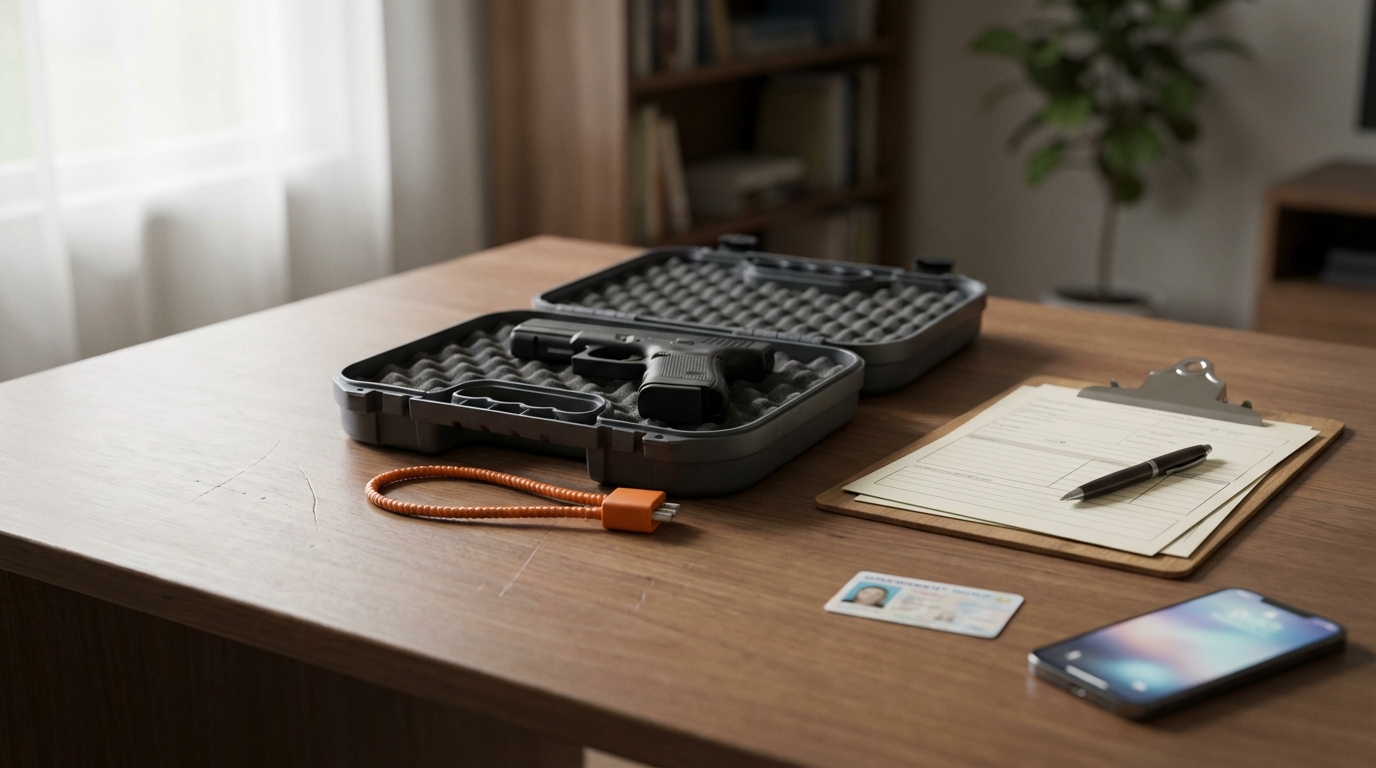

You’re just trying to sell one firearm, not start a legal fight with the federal government. The problem is the fastest way ordinary gun owners stumble into federal trouble is through a few specific seller mistakes that are procedural, not malicious.
The rules feel blurry because they change based on who the buyer is, where they live, and how the handoff happens. A “simple private sale” stays simple only if you avoid three felony-risk buckets: transferring to someone you know, or have reasonable cause to believe, is prohibited under 18 U.S.C. § 922(d), a violation that can carry up to 10 years under 18 U.S.C. § 924(a)(2); doing an out-of-state person-to-person transfer that trips 18 U.S.C. § 922(a)(5); and getting dragged into a straw purchase where someone makes a false “actual buyer” statement to an FFL under 18 U.S.C. § 922(a)(6), the issue in Abramski v. United States (2014).
This guide stays focused on federal law for sellers with a practical lens: when you can sell privately, when you need an FFL, how shipping works, and when a pattern of sales starts to look like dealing. State law can add steps, and how you market and transfer the gun affects both compliance and your outcome. This is informational, not legal advice.
Federal Rules Every Seller Must Know
Most of the felony-risk mistakes in a gun sale come down to two levers federal law cares about: who you’re transferring to, and whether the handoff runs through a dealer. The baseline framework is the Gun Control Act (GCA). You don’t need the whole statute to sell responsibly, you need to understand that seller exposure usually isn’t “paperwork for every private sale,” it’s buyer eligibility plus the transfer pathway you choose.

If you route the transfer through a Federal Firearms License (FFL) holder, the FFL is the federally licensed party who can lawfully run the standard transfer process, including the required checks and paperwork. In that lane, background checks are generally required under 18 U.S.C. § 922(t) and 27 C.F.R. § 478.102, meaning the dealer typically contacts the National Instant Criminal Background Check System (NICS) before transferring the firearm to a non-licensee (unless a specific exception applies).
In a purely private, intrastate sale between unlicensed people, federal law generally doesn’t make you run NICS yourself, and most private sellers can’t access NICS directly anyway—which is why it’s worth understanding when you might not be able to sell without a background check.
The big federal “no” is transferring to a prohibited person, categories that live primarily in 18 U.S.C. § 922(g) and § 922(n). Under 18 U.S.C. § 922(d), it’s unlawful to transfer if you know, or have reasonable cause to believe, the buyer is prohibited. “Reasonable cause to believe” is the don’t-look-away standard: you don’t need a confession if the facts would make a reasonable seller suspicious. The same gut-check also helps you avoid straw-purchase situations, where someone tries to use another person to do the FFL paperwork while the real buyer hangs back.
Once an FFL is part of your deal, the dealer’s federal age limits apply. Under 18 U.S.C. § 922(b)(1), an FFL can’t transfer a handgun to anyone under 21, and can’t transfer a rifle or shotgun to anyone under 18, even if you and the buyer privately agreed otherwise.
Federal law doesn’t require a private seller to keep a bill of sale for every in-state private transfer, but keeping basic documentation can still be smart risk management if the gun is later lost, stolen, or traced (and it helps to review a checklist for making sure a gun sale is legal).
If anything about eligibility or intent feels off, the cleanest move is to stop the private handoff and route the transfer through an FFL.
Those basics cover most in-state, face-to-face scenarios. The moment the buyer’s residency is different from yours, though, federal rules get much less forgiving.
Interstate Sales and Shipping Requirements
The biggest “I didn’t realize that was illegal” moment for sellers is an out-of-state buyer. The sale feels casual, but federal law treats residency as the fork in the road.
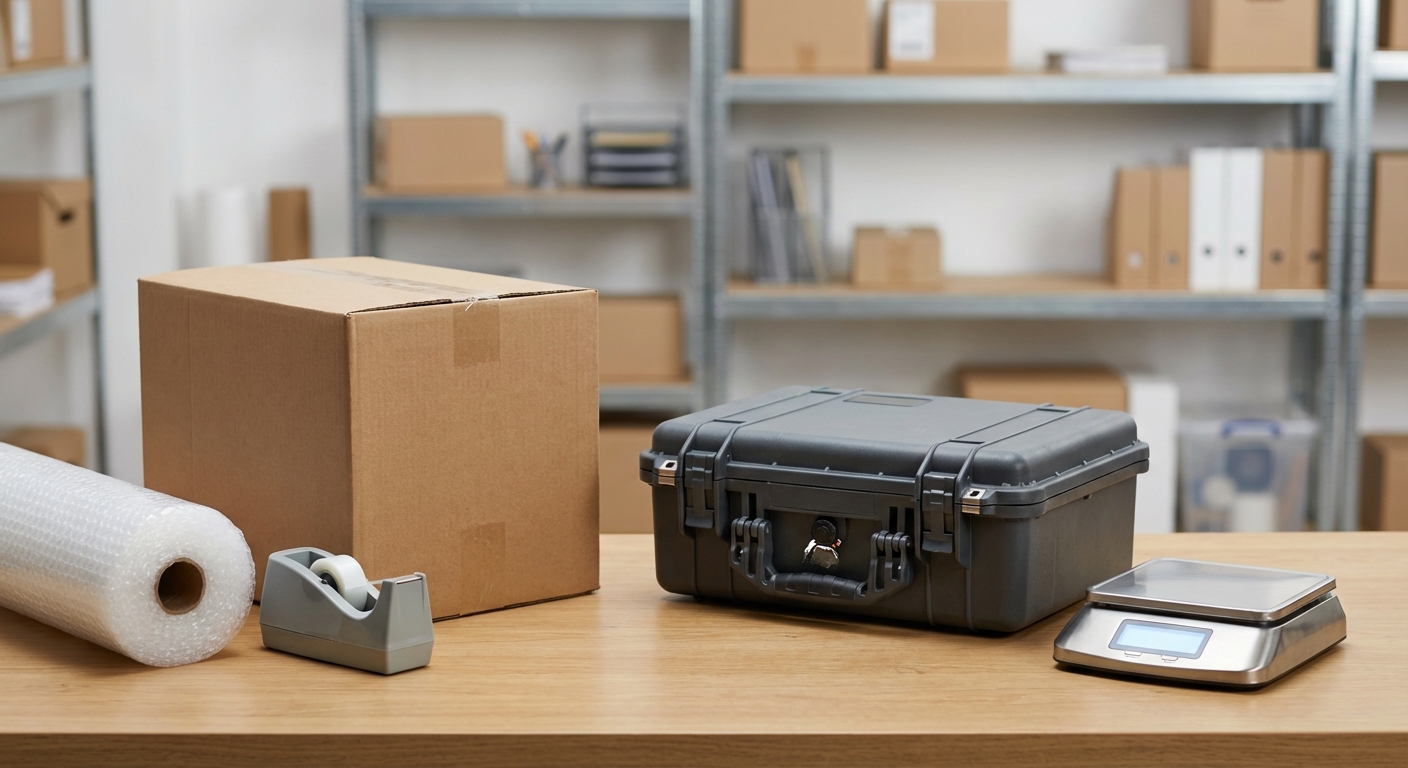
Here’s the hook: 18 U.S.C. § 922(a)(3) generally prohibits a non-FFL from receiving or transporting into their state a firearm they obtained outside their state of residence. The clean exception is inheritance, firearms acquired by bequest or intestate succession can cross state lines that way.
That’s why an interstate transfer, a sale to a buyer who lives in another state, generally can’t be completed directly between two non-FFLs and typically has to be routed through an FFL.
Ship to the buyer’s receiving FFL in their home state, then let the dealer complete the transfer under their rules. In practice, handguns vs long guns often differ at the dealer counter, so confirm what that specific receiving FFL will accept and how they want it sent.
Meet at an FFL and do the transfer there. Same idea, you are keeping the interstate transfer inside the licensed lane.
- Verify the receiving FFL before you ship, get their shipping instructions and a copy of their license.
- Notify the carrier in writing when required, 18 U.S.C. § 922(e) requires notice to a common or contract carrier when shipping a firearm or ammunition.
- Pack with no exterior markings, 18 U.S.C. § 922(e) also bars carriers from requiring outside labels that indicate a firearm (see step-by-step firearm packaging and shipping guidance).
- Choose the right service, USPS rules are not the same as “the law” for private carriers. Non-FFLs generally can’t mail handguns, but long guns may be mailable under USPS Publication 52, subject to USPS requirements and applicable laws.
Default rule: if the buyer isn’t clearly an in-state resident, treat it as an interstate transfer and route it through an FFL, then follow the federal notice and USPS constraints.
Residency is one common tripwire. The other is the pattern of selling itself-because the government doesn’t just look at a single handoff, it also looks at whether you’re effectively operating like a dealer.
When Selling Becomes a Dealer Activity
The legal risk is not “selling X guns.” It’s building a pattern that looks like a for-profit firearm business, even if you call it “just side money.” Two people can sell the same number of guns, and only one looks like a dealer based on intent, sourcing, and how the sales are run.
Federal law makes the line pretty clear in concept and messy in real life. Under 18 U.S.C. § 922(a)(1)(A), it’s illegal to engage in the business of dealing in firearms without an FFL. The “engaged in the business” standard is fact-specific, and 18 U.S.C. § 921(a)(21)(C) and § 921(a)(22) focus on repetitive purchase and resale with the principal objective of livelihood and profit, not liquidating a personal collection.
ATF’s 2024 final rule and guidance lean hard on a totality-of-circumstances approach, and they explicitly reject any fixed minimum number of guns that automatically requires a license.
- Buying firearms with the intent to resell for profit
- High frequency or regular, ongoing sales activity
- Advertising or holding yourself out like a source for guns
- Repeated “flips,” especially shortly after purchase
Occasional sales from your own collection, selling duplicates, handling estate firearms, or downsizing generally fits the statutory carve-outs for hobby and collection activity in 18 U.S.C. § 921(a)(21)(C), but the facts still matter.
If your selling starts to look regular and profit-driven, move transactions through an FFL channel versus a private-party sale, consider licensing, and get individualized legal counsel before it becomes a problem.
Whether you’re selling one gun or clearing out part of a collection, it helps to have a simple, repeatable process you can explain without guessing.
A Compliant Private Sale Checklist
The cleanest private sale is the one you can calmly explain later: who the buyer was, why you believed they were eligible, and exactly how the transfer was handled. That’s the standard you’re aiming for, because the awkward moment of asking a couple basic questions is cheaper than legal exposure.
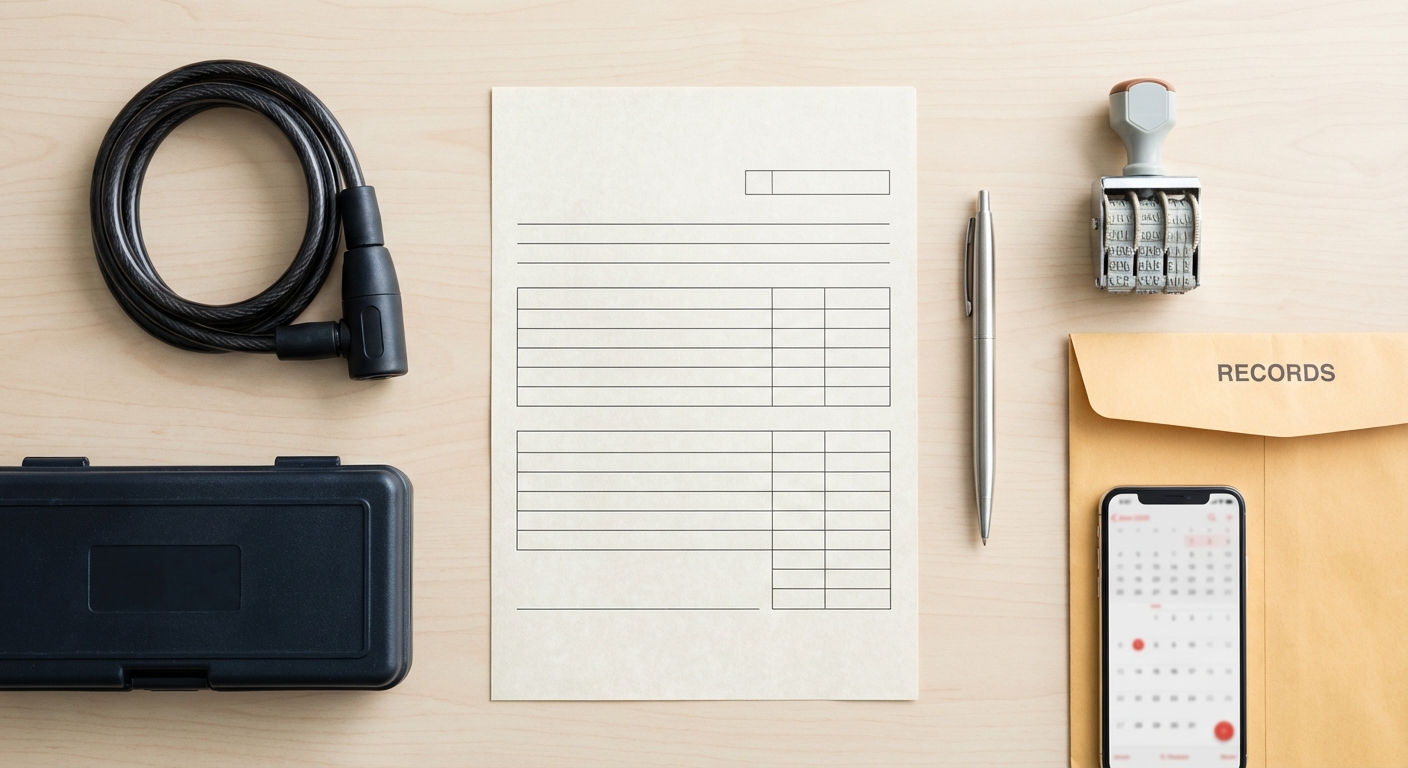
- Confirm location: Ask where the buyer lives and where the transfer will happen. If it’s out-of-state in any way, use the interstate and shipping rules covered earlier instead of improvising.
- Choose the “clean route”: If your state allows an in-state private transfer, you can keep it simple. If you’re unsure about any requirement your state adds, route it through an FFL (federally licensed dealer) so the dealer runs the 4473 and NICS steps.
Keep it normal and direct: “Are you legally allowed to own firearms?” and “Are you the actual buyer?” Under 18 U.S.C. § 922(d), “reasonable cause to believe” can come from what the buyer says and does, like evasive answers or obvious third-party payment or possession signals.
- Get the FFL details: Ask for the receiving dealer’s name, address, and license number (many will share the first 3 and last 5 digits).
- Verify on eZ Check: Use ATF’s official Federal Firearms Licensee eZ Check at https://fflezcheck.atf.gov/. Enter the first 3 and last 5 digits (or the full number). Confirm the licensee info matches what you were given before you ship or transfer.
If you start seeing any of the below, treat it as a signal to slow down or move the transfer to an FFL.
- They won’t show ID or won’t confirm residency when asked.
- Another person chooses the gun, pays, or tries to take possession (straw purchase vibes).
- They pressure you to “skip the FFL,” rush the meet-up, or keep things off-message.
- Answers are inconsistent, evasive, or implausible.
FFL recordkeeping is on the licensee, not you, including ATF Form 4473 (27 C.F.R. § 478.124) and retention rules (27 C.F.R. § 478.129). Your bill of sale is generally best practice, not a universal federal requirement—especially when selling a gun to a stranger and thinking about liability. Keep it simple: date, names, contact info, firearm make and model, serial number, sale price, and transfer method. Save the messages, meet in a public place or an FFL lobby, bring only the one firearm you’re selling, and keep communication clear and professional.
Even if you do everything right under federal law, you can still get tripped up by the extra steps your state (or city) requires.
State Overlays Sellers Commonly Miss
Federal law is the floor. State, and sometimes local, overlays are where sellers get blindsided, because a sale that is clean federally can still violate a state process rule.
- Start with official sources: your state legislature’s online code, plus the state police or Attorney General site for current “how to transfer” guidance and any local ordinance links.
- Cross-check with ATF’s “State Laws and Published Ordinances-Firearms” (ATF P 5300.5). It’s labeled with an “as of” date, so use it to find citations, then confirm the current text on your state’s official sites.
- Default to running the transfer through an FFL (a licensed dealer) if you cannot confidently verify the state’s steps.
Texas, Florida, California, Georgia, Pennsylvania, Ohio, Arizona, New York, North Carolina, Illinois: Check whether the state adds universal background checks, permits-to-purchase, or waiting periods, and whether local rules add extra paperwork (for example, how to sell a gun in California under California gun laws).
“Is this an in-state sale?” “State of residence” is fact-specific under 27 C.F.R. § 478.11, present in a state with intent to make a home there, and a person can have more than one residence in certain circumstances.
Safest default: if anything feels unclear, use an FFL transfer.
When you zoom out, the theme stays the same as in a one-off private sale: don’t guess on eligibility, don’t improvise across state lines, and don’t let a casual side hustle drift into dealer territory.
Sell Safely and Stay Compliant
If you treat buyer eligibility, state lines, and your selling pattern as the three tripwires, the safest path stays simple: when anything feels unclear, run the transfer through an FFL so the standard 4473 and NICS process is used.
- Do not transfer to anyone you know, or have reasonable cause to believe, is prohibited, 18 U.S.C. § 922(d).
- Out-of-state buyers usually mean an FFL route, 18 U.S.C. § 922(a)(5).
- Watch for straw purchase signals where someone else is really the buyer, 18 U.S.C. § 922(a)(6) (Abramski v. United States (2014)).
- Repeated, profit-driven flipping can look like unlicensed dealing, 18 U.S.C. § 922(a)(1)(A).
- Verify the receiving FFL (ATF eZ Check) and document the deal as best practice.
- Federal is the floor, check your state’s overlay rules.
If you want an FFL-routed, compliant, straightforward sale, use Cash My Guns educational resources, or browse more selling guides, or sell directly through Cash My Guns, operated by Dunlap Gun Buyers (FFL), which positions itself as “Safe • Legal • Hassle-Free.”