

You can sell a suppressor legally, but it feels risky because the timing and paperwork are unforgiving. You find a buyer and then get stuck on the real question: when are you actually allowed to take money, ship it, or hand anything over?
Selling an ordinary firearm can be straightforward. NFA transfers are different because the transfer itself is the regulated event, and you are living inside federal forms, approval queues, and rules that overlap with whatever your local process requires.
The anxiety is rational. Approvals can take a while, and a small mistake is not “just a clerical issue” when federal law is involved. Under 26 U.S.C. § 5861, certain missteps are crimes, including possessing an unregistered NFA firearm and transferring an NFA firearm in violation of the NFA.
ATF also publishes estimated Form 4 processing times, broken out by eForms vs paper and by individual vs trust or legal entity. The main official places ATF points you to are its “Current Processing Times” page and the eForms processing-times dashboard.
This focuses on choosing the right transfer pathway and hitting the right checkpoints, so money or custody does not change hands until it is lawful. This is general educational information, not legal advice.
What Counts as an NFA Item
Classification comes first; misclassifying is where sellers get burned. You can’t sell something legally until you’re sure it’s actually regulated as an NFA item, and with suppressors, even “just parts” can be treated as regulated.
The big-picture framework is simple: the National Firearms Act (NFA) creates the registration and transfer rules for certain regulated firearms, the Gun Control Act (GCA) supplies key definitions (including silencers), and ATF administers the rules and maintains the records that prove lawful registration.
If what you’re selling falls into one of the “firearm” categories in 26 U.S.C. § 5845(a), it’s an NFA item and you need to treat it like one from the first conversation about price and paperwork. The categories are:
- Short-barreled rifle (SBR)
- Short-barreled shotgun (SBS)
- Machine gun
- Any Other Weapon (AOW)
- Destructive device
- Silencer (via the GCA definition)
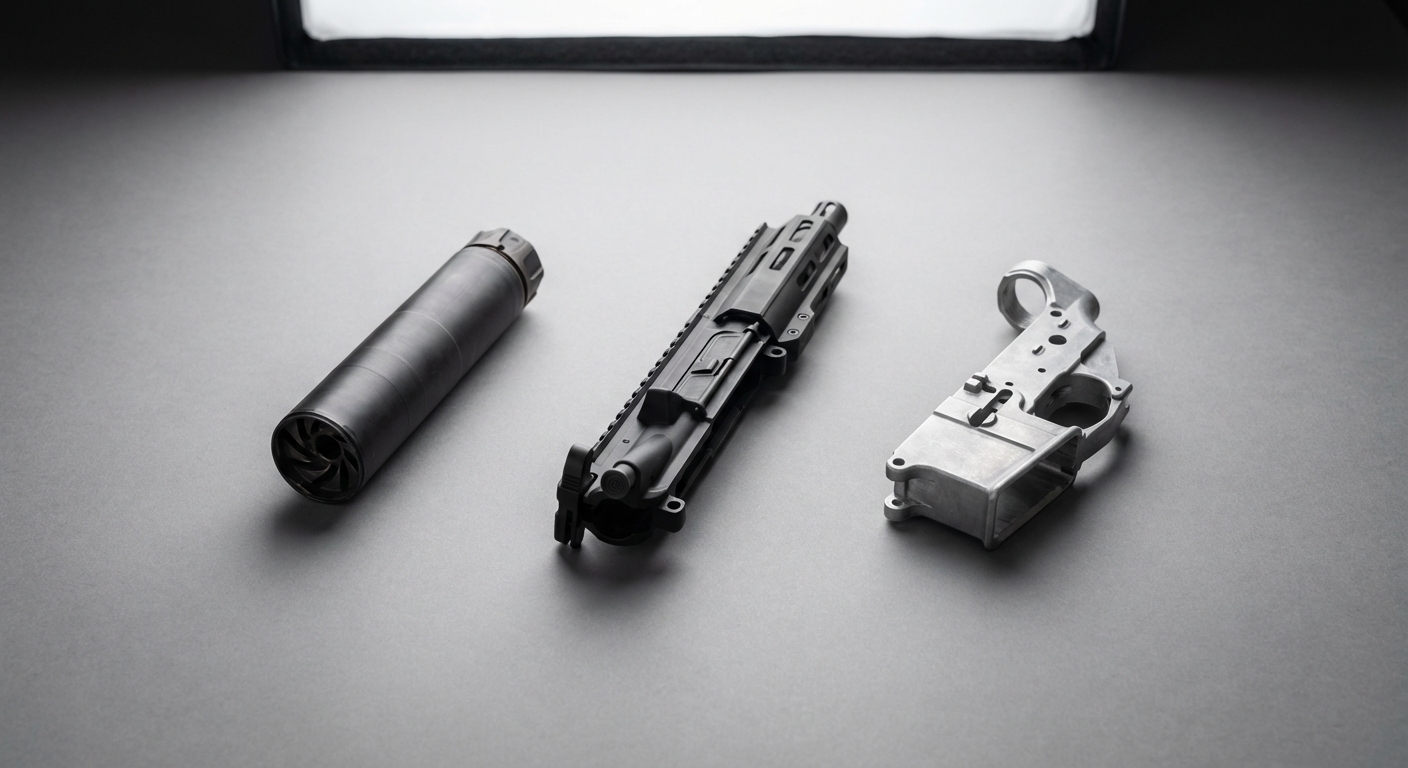
Under 18 U.S.C. § 921(a)(24), “firearm silencer” covers a complete suppressor, any combination of parts designed or intended for assembling or fabricating one, and any part intended only for use in that assembly or fabrication (see suppressor-specific updates). In practice, ATF applies that language broadly to certain components, commonly tubes, baffles, and endcaps, when they’re silencer-only parts. That’s why a “box of parts” can create the same legal problem as a complete can.
NFA registration is recorded in the National Firearms Registration and Transfer Record (NFRTR). The registered party can be an individual or a trust or other legal entity, and if it’s an entity, ATF requires “responsible person” submissions, meaning everyone with authority over the entity’s NFA items can be pulled into the process.
Before you list it or talk price, confirm what you have is an NFA item, and confirm exactly who it’s registered to (especially for SBR/SBS-related rules that affect transfers).
Who Can Buy and Where
Once you know what the item is and who it’s registered to, the next constraint is the buyer: who they are, where they live, and whether a lawful transfer route even exists for that combination.
Your buyer and their location determine the pathway. The biggest practical limiter on “who can buy” is not your willingness to sell, it’s whether the buyer is legally eligible and whether they’re in-state or out-of-state.
Start with the hard stop: 18 U.S.C. § 922(g) bars “prohibited persons” from receiving or possessing firearms, and that includes NFA items. In real deals, the common disqualifiers are felony-equivalent convictions (crimes punishable by more than one year), fugitives from justice, unlawful users of controlled substances, and certain mental health adjudications or commitments. If the buyer can’t lawfully possess it, the sale doesn’t have a legal route—and you still need to focus on ensuring the sale is handled legally.
Dealer delivery is where age bites. Under 18 U.S.C. § 922(b)(1), an FFL can’t sell or deliver non-rifle, non-shotgun firearms to anyone under 21. Suppressors are treated as “other firearms” on ATF Form 4473, so an FFL transfer of a suppressor generally requires the transferee to be 21+.
Most NFA transfers run through an FFL/SOT, a Federal Firearms Licensee who also pays the Special Occupational Tax, because they can lawfully facilitate common in-state and out-of-state transfer paths. This is also why casual “meet and sell” assumptions go sideways fast, especially when people assume a sale can happen without a background check. You cannot hand it over, or let the buyer take it home, before approval and lawful delivery.
Machine guns have an extra buyer-pool constraint: 18 U.S.C. § 922(o) limits the civilian market to transferable, pre-May 19, 1986 guns. Post-86 dealer samples are generally limited to qualified FFL/SOTs.
- Confirm the buyer is not prohibited under 18 U.S.C. § 922(g).
- Verify the buyer’s age for the specific item, especially suppressors (21+ through an FFL under § 922(b)(1)).
- Pick the handling dealer early: where the buyer lives and which FFL/SOT will process the transfer.
Forms, Taxes, and Transfer Pathways
Eligibility and location narrow your options quickly. From there, everything becomes process: which form applies, who holds the item during the wait, and what “done” actually means under the NFA.

Approval is the finish line, not the handshake. Your sale is not “done” when someone says they’ll take it, it’s done when the correct ATF transfer is approved, because that approval controls who can legally possess the item and when the handoff can actually happen.
In most private sales, the buyer becomes the new registrant by filing an ATF Form 4, the ATF application used for a tax-paid transfer and registration of an NFA firearm to an individual or a trust or other legal entity. You’ll also see the same Form 4 pathway in dealer-to-individual or dealer-to-trust sales: the dealer is the transferor, and the buyer is still the transferee on a Form 4. A third common workflow is seller-to-dealer as part of consignment or a buyout, where the dealer takes the item into their inventory so they can run the eventual transfer to the end buyer cleanly.
That Form 4 approval comes with a tax stamp (transfer tax), the federal NFA transfer tax payment that has to be accepted as part of the transfer. The number most buyers quote is real: $200 for most NFA items under 26 U.S.C. § 5811(a). Many AOW transfers use a $5 transfer tax under 26 U.S.C. § 5811(b). Practically, that tax affects the buyer’s all-in cost and it often changes how serious a “buyer” really is once paperwork starts.
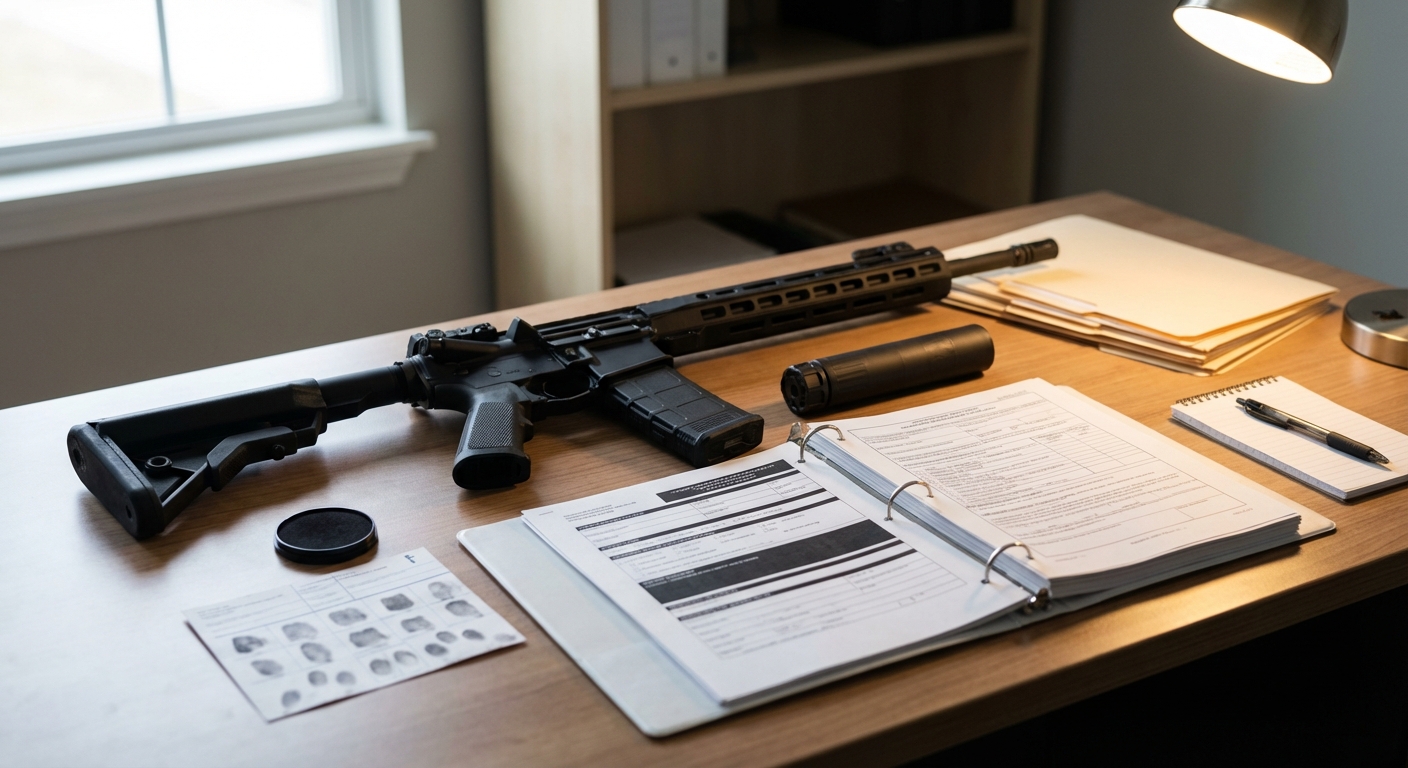
Trust and legal-entity purchases add a predictable wrinkle: the application has to cover every responsible person (people with control). As part of the application requirements, each responsible person submits an ATF Form 5320.23 (RPQ), plus a photo and fingerprints, typically two FD-258 fingerprint cards per person.
ATF publishes processing-time estimates for Form 4 transfers, and those estimates move. The seller-side friction is simple: the buyer usually cannot take possession until approval, which is why sellers think hard about deposits and how payments are structured when a “quick sale” can turn into a long hold.
Before you start advertising, confirm the current registrant info on the item, pick the handling dealer (if you’re using one), confirm whether the buyer is applying as an individual or a trust or LLC, and gather the identifiers your dealer will ask for so you’re not negotiating while paperwork is still a question mark—especially if you’re also following a broader legal and safe firearms sales checklist.
State Rules and Common Pitfalls
Even when the federal side is lined up, the deal can still get derailed by local restrictions or by simple handling mistakes while the transfer is pending.
Federal paperwork can be clean and you can still create a mess fast. State and local rules, plus a few predictable human “gotchas,” are where normal sellers accidentally step into unlawful possession or a stalled transfer.
Some states and localities restrict suppressors and other NFA items even when the transfer is federally lawful. Before you accept money or ship anything, verify the buyer’s exact location rules, state statutes and any applicable local ordinances, and your receiving dealer’s policy.
People constantly ask about Texas, Florida, California’s gun laws, Georgia, Pennsylvania, Ohio, Arizona, New York, North Carolina, and Illinois. The problem is that NFA transfers add extra layers beyond standard firearm sales, and this section is not state-by-state legal advice.
- Handing it over before approval. ATF requires an approved transfer before an NFA firearm is transferred to the transferee, and the transferor generally retains possession until approval, think approved Form 4 and completed disposition under 26 U.S.C. Chapter 53 and 27 C.F.R. Part 479.
- Creating “dominion or control” access. Even if you never physically hand it over, constructive possession (a risk concept where someone may be treated as having possession) becomes an issue if the buyer can access the safe, keys, combo, or storage area while the transfer is pending, a scenario ATF compliance guidance routinely flags.
- Mismatch errors. A single serial number, model, or caliber discrepancy can derail approval and create avoidable legal exposure.
- Trust paperwork drift. Incomplete or inconsistent trust documentation, especially around responsible persons, triggers delays and headaches.
- “Parting out” regulated components. Trying to sell or ship suppressor components separately can cross into regulated territory, treat parts as a compliance issue, not a loophole.
Do this instead: verify the buyer’s jurisdiction early, keep the item secured with the current registrant or dealer until approval, and double-check every identifier against the item itself. For deeper reading, start with 26 U.S.C. Chapter 53, 27 C.F.R. Part 479, and the ATF National Firearms Act Handbook.
Pricing, Value, and Safe Selling Options
All of that compliance work has a real-world effect: the same forms, wait times, and narrower buyer pool that keep the transfer lawful also shape what buyers are willing to pay and how you structure the sale.
Friction and buyer pool shape your price. With NFA items, the “best dollars” route often means more time, more paperwork, and more points where custody and compliance have to stay clean, while the “safest sale” usually costs you something in headline price.
Start with plain demand: specific brand and model desirability, plus whether that item is easy to find new right now. Then get brutally practical about condition and completeness. A suppressor that includes the mounts, adapters, tools, and any relevant packaging tends to trade faster because the buyer is solving a whole setup, not just buying a tube.
Compatibility is real value. Common thread patterns and widely used QD mount ecosystems pull more buyers, because the suppressor drops into what they already own. Documentation also matters because it removes uncertainty: clear photos of markings and serial information, and paperwork details that match the registration, without oversharing sensitive images publicly.
Even if you know the item is solid, transfer friction changes what buyers pay. Paperwork complexity, wait times, and a narrower buyer pool all push NFA resale value down compared with non-NFA firearms. It’s the same reason broad “what’s my gun worth” searches, blue book lookups, and auction comps only get you partway, NFA pricing is its own niche because the transfer process reshapes demand—and the same supply and demand forces behind firearm resale prices still apply.
Machine guns behave differently again: 18 U.S.C. § 922(o) locks in a fixed transferable supply, so prices move like a constrained collectible market, not like a normal used-gun category.
Dealer-facilitated transfer or consignment through an FFL/SOT is the cleanest compliance posture, but the convenience and reduced buyer risk can compress your net. Finding your own buyer can raise the offer, but running the transaction through a dealer keeps custody, paperwork, and storage disciplined while approval is pending.
You can also sell to reputable, licensed buyers. For example, Cash My Guns is operated by Dunlap Gun Buyers, a federally licensed firearms dealer (FFL), and markets a nationwide online process as “Safe • Legal • Hassle-Free” for buying guns, ammunition, and accessories, but don’t assume they intake NFA items without verifying it first.
Pick the channel first, then set your price expectations around friction and buyer pool. When in doubt, choose a dealer-facilitated path, keep documentation organized, store the item securely while pending, and use insured shipping where lawful and appropriate.
A Compliance-First Selling Checklist
Compliance-first beats “fast sale” every time. The cleanest NFA sale is the one where the registration details match what’s on file, the buyer is eligible where they actually live, the correct transfer pathway is used (often through an FFL/SOT), and nobody takes possession early.
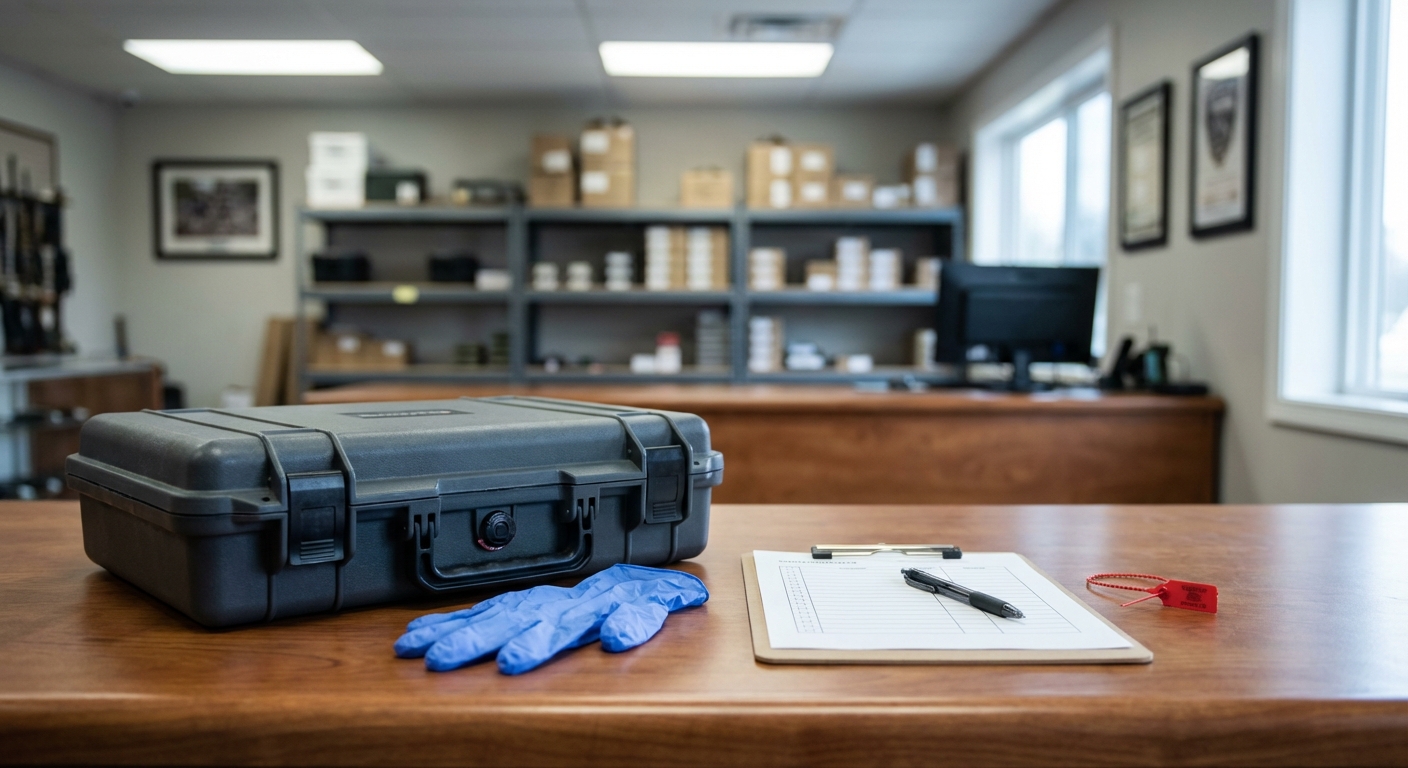
That’s the same thread that runs through the whole process: confirm the item is truly an NFA item and registered to the right person or entity, vet the buyer’s eligibility and age realities, and treat an approved ATF Form 4-plus the transfer tax and any trust/entity responsible-person submissions-as the finish line.
The fastest way to ruin the deal is state or local restrictions, or handing it over before approval.
Quick seller check:
- Is it confirmed as an NFA item, and do the registrant name/entity and address match your paperwork?
- Do the serial number, model, and caliber or gauge match exactly?
- Is the buyer eligible in their state and locality, and is this an in-state or out-of-state transfer?
- Which transfer path are you using, and who’s the receiving FFL/SOT?
- Has Form 4 been approved before anyone takes possession?
For anything weird, start with ATF’s National Firearms Act Division (https://www.atf.gov/firearms/national-firearms-act-division), Contact ATF (https://www.atf.gov/contact), and ATF eForms (https://eforms.atf.gov/). If state rules, trust structures, or buyer eligibility get messy, pay for clarity from a qualified FFL/SOT and, for state-specific legal questions, a firearms attorney. If you want a sanity check on value or safer channels, stick with reputable buyers and appraisers and browse the related selling guides on our site.