

You can sell a gun in North Carolina and be done with it fast, until one sloppy decision turns it into a lingering problem. The wrong buyer, the wrong transfer path, or zero record of what happened can leave you answering uncomfortable questions months later, with no clean paper trail to back you up.
You’re probably trying to sell quickly and for a fair price, but you also don’t want to stumble into a rule you didn’t know existed or lose control of the documentation.
The core tradeoff is simple: convenience and speed versus compliance, safety, and records you can rely on. A private-party sale, meaning a direct sale between two non-FFL individuals, feels simpler than going through a dealer, but “simple” is exactly where people get careless about identity, process, and proof.
You’ll walk away with a practical, step-by-step way to sell with fewer surprises, tighter documentation, and a safer process you can defend later.
Laws and agency policies change, so verify current requirements before you act. The most authoritative place to check is the North Carolina General Assembly’s General Statutes portal (https://www.ncleg.gov/Laws/GeneralStatutes) and the NCGA Session Laws page that shows what changed and when (https://www.ncleg.gov/Laws/SessionLaws). For general public guidance, the North Carolina Department of Justice also publishes resources at https://ncdoj.gov/.
Step 1
The fastest way to get in trouble selling a firearm in North Carolina is mixing up what federal law requires everywhere with what North Carolina used to require. Two mistakes cause most of the real legal risk: transferring to the wrong person, or treating an out-of-state buyer like a normal in-state deal.
Here’s the practical takeaway: if you get clear on eligibility and residency first, the rest of the sale becomes a paperwork and logistics decision, not a legal guessing game.
- Separate federal rules from North Carolina rules before you talk details with a buyer.
Federal law sets the baseline on who you can transfer to and when you need a Federal Firearms Licensee (FFL). North Carolina adds its own wrinkles, but it does not replace the federal baseline. If a “friend told you” something is fine, sanity-check it against the federal side first. - Screen for a prohibited person using the real standard: “know or reasonably believe.”
Under 18 U.S.C. § 922(d) and § 922(g), you cannot sell or otherwise transfer a firearm to someone you know or have reasonable cause to believe is a prohibited person. In plain terms, don’t ignore obvious facts. If the buyer tells you they are a felon, under a domestic-violence protective order, a prohibited drug user, or otherwise barred from possessing firearms, you stop. If their story or documents don’t add up and you have reason to believe they’re prohibited, you stop. - Keep age in mind, then use an FFL when the situation feels fuzzy.
Federal age rules are strictest at the dealer level, and they differ between handguns and long guns. Rather than trying to self-interpret every edge case, use a local FFL if you are not confident the buyer’s age and eligibility are clearly lawful for that specific firearm. - Update your North Carolina “permit” assumptions for handgun sales.
North Carolina repealed the statewide pistol purchase permit requirement from N.C. Gen. Stat. § 14-402 via Session Law 2023-8 (S.B. 41), effective March 29, 2023. Practically, a buyer does not need to present a pistol purchase permit as a legal requirement for a private handgun transfer anymore. You can still choose extra safeguards, you just should not treat the permit as mandatory under current statewide law. - Pause the moment the buyer is not a North Carolina resident, because that is usually an interstate transfer.
Federal law, 18 U.S.C. § 922(a)(5), generally prohibits a non-FFL from transferring a firearm to someone they know or reasonably believe lives in another state, with limited exceptions. The clean decision rule is simple: if the buyer is not an NC resident, do not complete the handoff privately. Route it through an FFL pathway instead. - Route nonresident deals through a dealer, and let the dealer apply the nonresident rules.
Under 18 U.S.C. § 922(b)(3), an FFL has specific rules for sales to nonresidents, including a long gun exception when the transaction is legal in both states, while handguns generally must be transferred through the buyer’s home-state FFL. That is why using a dealer is the safest way to handle out-of-state buyers without guessing.
A quick note on records: North Carolina does not make a “bill of sale” universally required for every private transfer, but keeping basic records can still be a smart safeguard. Also, individual dealers and retailers can impose their own processes for transfers, so ask your chosen FFL what they require before you show up.
If any answer is unclear, residency, eligibility, or age, stop and verify current law or route the transfer through an FFL. That one habit prevents the two big legal traps, and it’s the core of ensuring your gun is sold legally.
Once you know the buyer is eligible and the sale path is lawful, the next thing that determines how smooth this goes is simple: having the firearm’s details nailed down. That’s what keeps pricing honest and prevents the last-minute “wait, what model is this?” confusion.
How to sell a gun in North Carolina is a helpful state-specific overview if you want a quick refresher on common compliance questions before you move to the next steps.
Step 2
You can’t price or transfer a firearm cleanly if you’re guessing on what it is. Ten minutes of solid documentation gives you a tighter valuation, fewer back-and-forth questions, and a cleaner paper trail if the gun ever comes up later.
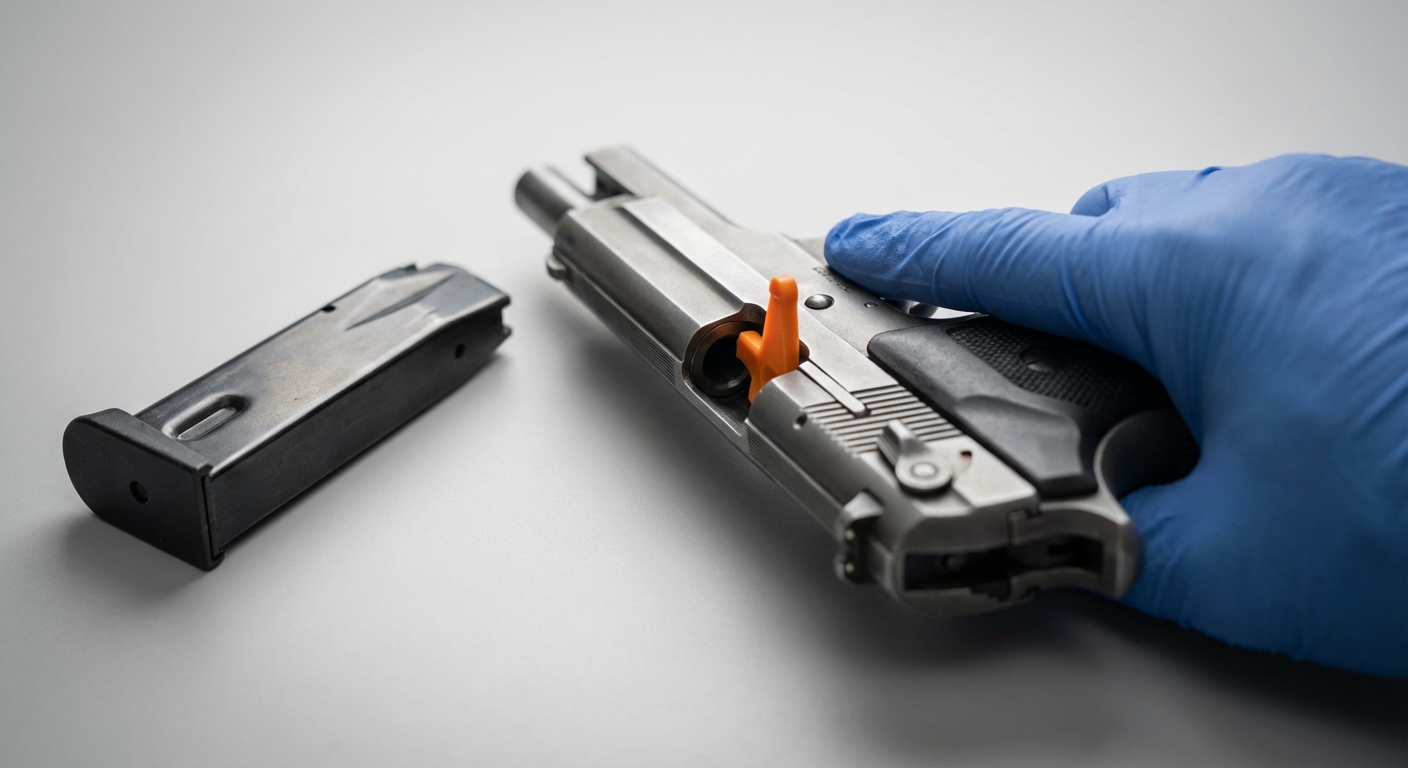
- Confirm it’s unloaded and safe before you touch anything else. Point in a safe direction, keep your finger off the trigger, open the action, then physically and visually check the chamber and magazine area. Lock the action open while you document.
- Capture the basics exactly as marked: manufacturer, model, caliber or gauge, and the specific variant or generation (for example, a “Gen 3” marking, a “Target” model, or a barrel length that’s part of the model name). Write it down the way it appears on the gun, not how you remember it.
- Record the serial number and the required markings from the firearm itself. Federal marking rules for licensed makers and importers center on a serial number on the frame or receiver, plus other identifying marks such as model (if designated), caliber or gauge, and the manufacturer or importer name and location (27 CFR § 478.92). Copy them carefully and double-check each character.
- Note condition and changes that affect value: finish wear, rust or pitting, bore condition, matching numbers (if applicable), and any aftermarket parts or permanent modifications. List included accessories like extra magazines, optics, cases, or the factory box.
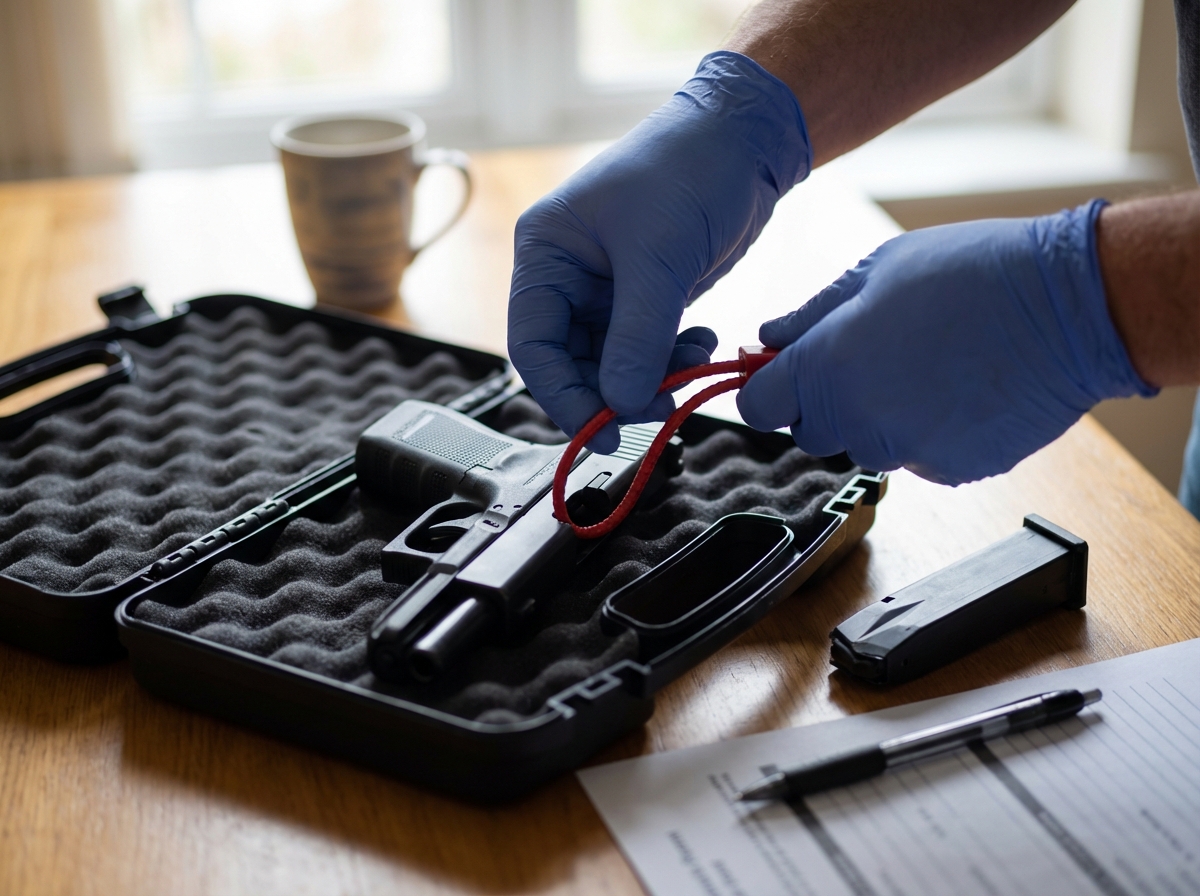
- Photograph it clearly, then lock it back up. Get both sides, the serial and markings close-ups, the muzzle crown, the bore (if you can safely do it), and any defects. Store the firearm unloaded, secured with a locking device or in a locked container, and keep ammunition stored separately (off-site gun storage).
When your notes and photos are complete, pricing gets faster and transfers go smoother because every buyer, including services like Cash My Guns, is working from the same objective details instead of vague descriptions.
Those same notes also make pricing less emotional, because you can identify your exact model and condition to real-world sales instead of guessing. That’s the difference between “I think it’s worth…” and a price you can actually defend.
Step 3
Your gun’s value is set by what similar guns actually sold for recently, not what people are asking, and not what you paid.
- Find sold comps first. Use “recent sold” results as the primary signal, then adjust for condition and included accessories. Ignore active listings until you’ve anchored on real sale prices.
- Filter to truly comparable listings. Caliber, generation, barrel length, finish, and included parts swing prices fast. A “Glock 19 Gen 5 MOS” comp is not the same as a “Glock 19 Gen 5” with basic sights, and a railed 1911 is not the same market as a classic, no-rail version. Here are quick searches you can run:
- “Glock 19 Gen 5 MOS sold”
- “Sig P365 XL sold”
- “Ruger 10/22 stainless synthetic sold”
- “Remington 870 Express 12ga 28 sold”
- Adjust for condition and accessories, in dollars, not feelings. A clean bore, sharp rifling, intact finish, and factory parts keep you near the top of the comp range. Accessories matter, but only if buyers would’ve paid extra for them. A quality optic, extra factory mags, or an OEM case usually helps; random aftermarket parts often do not. A helpful reference is this gun value and pricing guide, which breaks valuation into make/model, condition details, market data, plus seasonality and regional demand.
- Set two numbers: your asking price and your “take” number. Your ask is what you post. Your take number is the lowest you’ll accept after you do the math on costs and hassle. A clean way to pick the ask is to start near the upper half of sold comps for your condition, then leave a little room for negotiation.
- Sanity-check against net proceeds and time. Major marketplaces typically charge seller costs like listing or insertion fees and additional final value style fees when the item sells; GunBroker publishes a seller fee schedule on its website describing listing and sale-related fees. Those costs change your real net, and online sales can also add shipping and payment processing friction. A local buyer might net you more, a fast sale to a dealer (FFL) usually nets less, but closes quicker.
- Decide whether to wait or price to move. Seasonality and market swings are real. Hunting season, election cycles, and sudden demand spikes shift what “normal” sold comps look like. If you need cash fast, price at the lower end of the recent-sold range for your exact setup. If you can wait, list closer to the higher end and hold your line—especially once you understand how supply and demand affects firearm resale prices.
Pick a number that matches your goal, fast cash or max value, and be ready to justify it with sold comps and a clear net-proceeds reality check.
Once you have a realistic price, the next decision is where to list or who to sell to-because the same gun can mean very different speed, safety, and paperwork depending on the channel.
Step 4
Your “best” way to sell a gun in North Carolina depends on what you’re optimizing for, speed, net proceeds, safety, or paperwork protection. The real friction is logistics, especially if shipping is involved, and how much buyer screening and recordkeeping you’re willing to personally own.
- In-state private sale
- Speed: Fast if priced right
- Net proceeds: Highest, no dealer cut
- Safety: Depends on screening
- Paperwork / recordkeeping: Light unless you add it
- Your hassle: High, messages, meetups
- Consignment at a local gun shop
- Speed: Slow to unpredictable
- Net proceeds: Lower, shop commission
- Safety: High, shop handles traffic
- Paperwork / recordkeeping: Strong, dealer process
- Your hassle: Low, drop off and wait
- Selling directly to an FFL/buyer (FFL, licensed dealer)
- Speed: Fast, often same day
- Net proceeds: Lowest, wholesale offer
- Safety: High, structured handoff
- Paperwork / recordkeeping: Strong, clean paper trail
- Your hassle: Low, one stop
- Online marketplace sale that ships to an FFL
- Speed: Medium, listing plus shipping
- Net proceeds: Medium to high, minus fees
- Safety: High at the transfer point
- Paperwork / recordkeeping: Strong if shipped to FFL
- Your hassle: Medium, photos, packing, carrier
If you’re uneasy about screening strangers, want a structured transfer, or simply want a stronger paper trail than a parking-lot meetup provides, routing the sale through an FFL is the cleanest decision even when an in-state private sale is allowed. You trade away some net proceeds for a process that’s easier to defend and easier to sleep on.
Mailing rules shape what “online sale” really means. Under USPS DMM 432, handguns are generally nonmailable except by authorized FFLs and other approved senders, rifles and shotguns can be mailed when lawful and unloaded, and ammunition can’t be mailed in the same parcel as a firearm. Interstate sales also run into a hard constraint: under federal law, transferring to an out-of-state buyer typically has to go through an FFL pathway.
If you want the least hassle and the most structure, walk it into a local shop for a direct buy or consignment. If you want the highest net and you’re comfortable doing your own screening and coordination, an in-state private sale is where the math usually works best. If you want remote convenience through a licensed buyer, selling a gun: your options lays out the main channels and tradeoffs.
Pick the channel that matches your risk tolerance, timeline, and comfort level screening buyers. When anything feels uncertain, buyer identity, payment, or interstate logistics, default to an FFL pathway and let the process do more of the protecting.
Whichever channel you pick, the deal still comes down to the same make-or-break point: the handoff. A solid transfer process is what keeps a fast sale from turning into a slow headache later.
Step 5
The transfer moment is where most avoidable problems happen. A “safe” sale is mostly about controlling that moment, who you meet, where you meet, how you verify basics, and what records you keep when it’s done.
- Keep buyer communication simple and early. Confirm they’re an adult, they can legally own firearms, and they’re willing to meet in a controlled public place. If they push you to “just bring it to my house” or rush the handoff, treat that as a decision point, not a negotiation.
- Pick a safe meeting spot with cameras and witnesses. A busy parking lot in daylight works, and meeting at or near an FFL is even cleaner because you can default to a dealer transfer if anything gets weird.
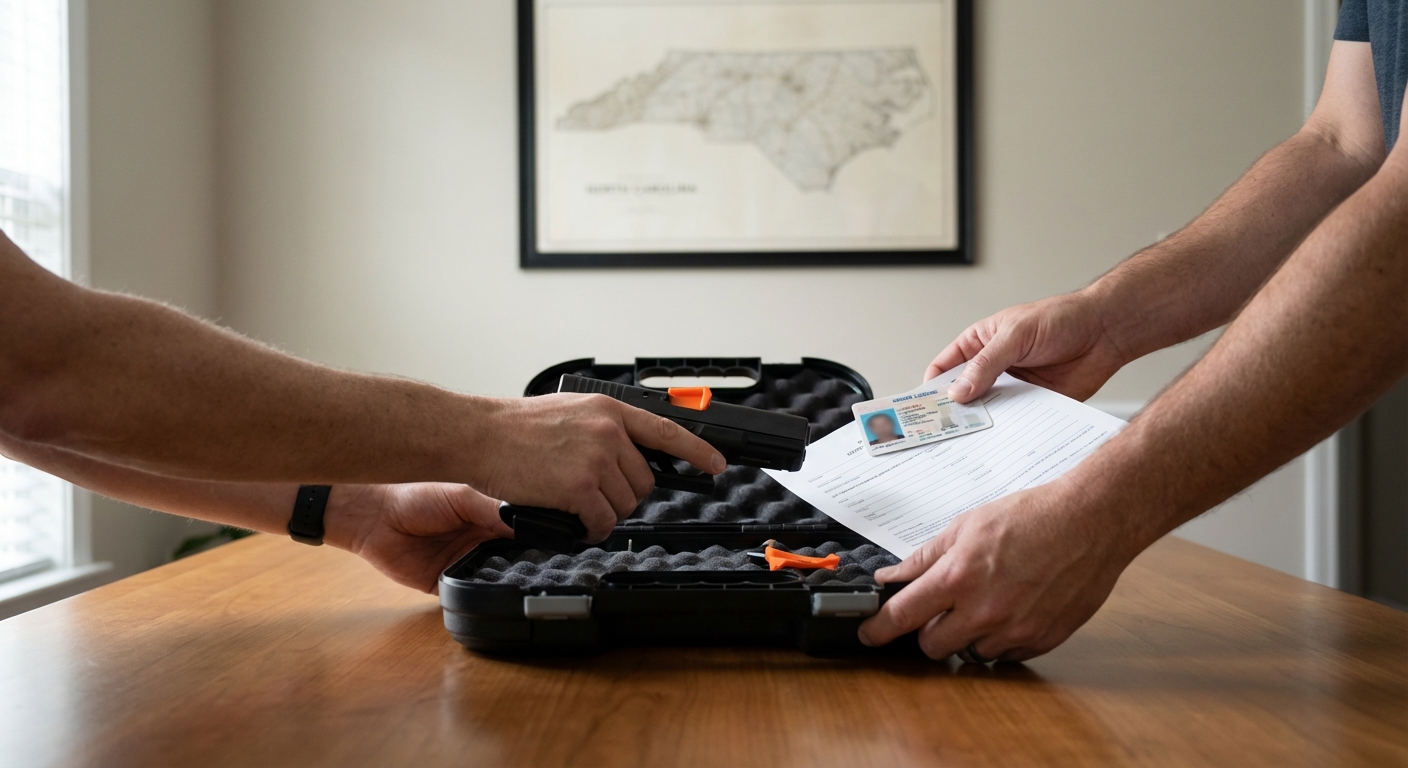
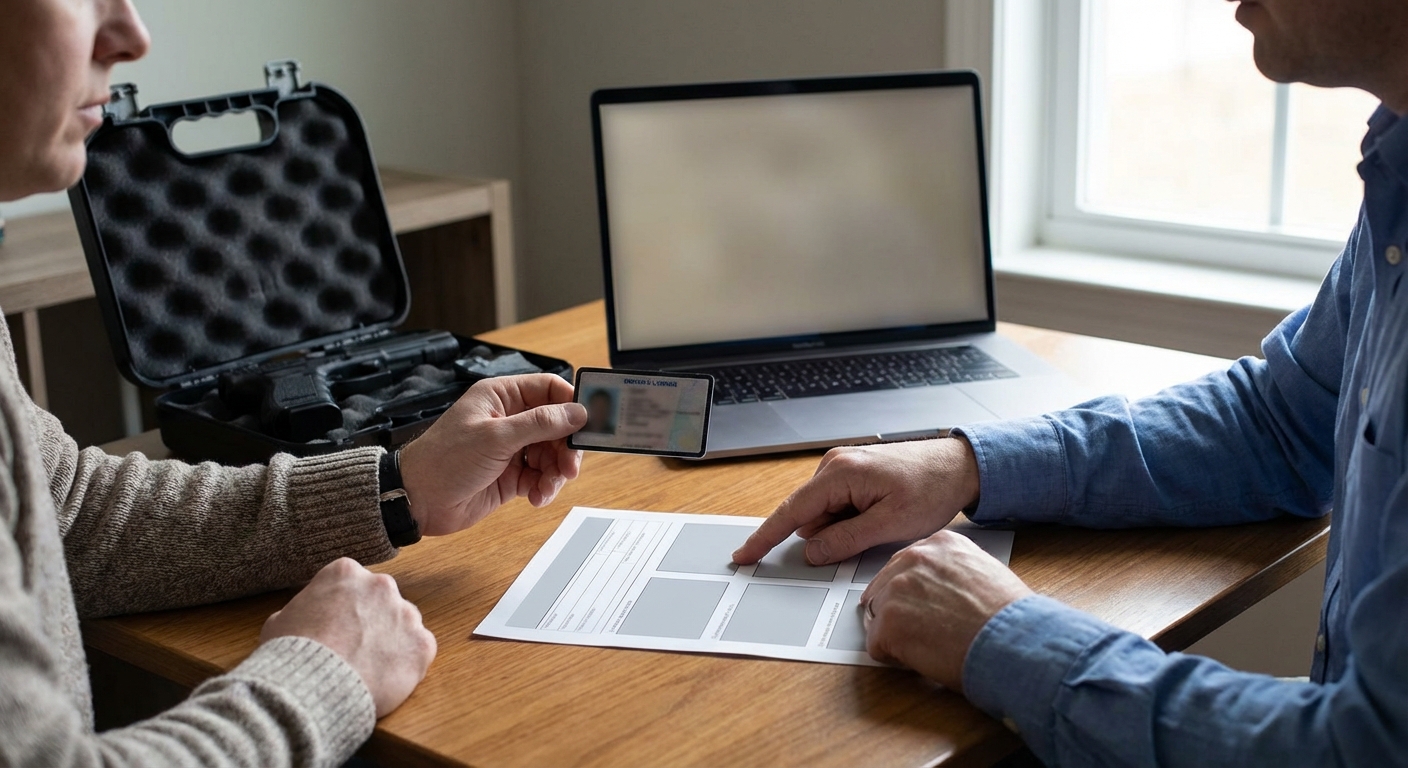
- Verify North Carolina residency when it matters by checking a government-issued photo ID. Don’t overcomplicate it, just confirm the name and address make sense and match the person in front of you. Refusal to show ID is a hard stop.
- Use an FFL transfer when it’s required, or whenever you want the extra protection of dealer paperwork. In an FFL transfer, the buyer completes ATF Form 4473, the dealer verifies identity using a valid government-issued photo ID, and the dealer records the firearm details (make, model, serial number, type, caliber or gauge) as part of their required records. The buyer’s 4473 stays with the dealer.
- Confirm the background-check step if you’re using a dealer. Before transferring to a non-licensee (unless an exception applies), the FFL initiates the National Instant Criminal Background Check System (NICS) and must receive a NICS “Proceed,” or follow the Brady transfer-date rule for a “Delayed” response if permitted. If NICS comes back “Denied,” the gun does not transfer.
- Control payment to avoid fraud. Cash is simplest in person. If the buyer insists on an electronic payment, avoid anything reversible or prone to chargebacks, and never accept overpayment plus “refund the difference” games. If funds aren’t verified as yours, the gun doesn’t leave your hands.
- Write a bill of sale as risk-management, even if it’s not a universal requirement for private transfers. Some North Carolina guidance states there’s no legal requirement for a bill of sale or an FFL transfer for a private transfer in the state, and a notarized bill of sale generally isn’t required, but a basic record helps support the legality of the transaction. Keep it simple: buyer name and address, the sale date, and the firearm’s identifying details.
If anything feels off, weird pressure, sketchy payment, reluctance to show ID, insistence on an unusual handoff, default to an FFL transfer or walk away (see what you need to know about liability when selling to a stranger). There’s always another buyer, and an FFL can keep the process clean, including services like Cash My Guns, which is operated by a federally licensed firearms dealer (FFL) with full insurance coverage.
At this point you’ve handled the two big things that prevent “lingering problems” later: you verified the buyer and you left yourself a record of what actually happened. The checklist below pulls those habits into a quick repeatable routine.
Quick Checklist for a Clean Sale
A clean sale is just a handful of repeatable habits. It only gets messy when you skip verification, skip documentation, or avoid a structured transfer path.
- Verify rules: confirm current North Carolina requirements on the NCGA General Statutes portal (https://www.ncleg.gov/Laws/GeneralStatutes) and sanity-check the federal baseline on the ATF Firearms FAQs (https://www.atf.gov/firearms/frequently-asked-questions).
- Document the firearm: write down what you’re selling and keep clear photos for your records.
- Price from sold comps: use real “sold” prices, not optimistic asking prices.
- Choose a channel: pick the route that fits your risk tolerance and time.
- Complete a safe transfer: use an FFL when you want more structure and documentation.
- Keep records: a bill of sale generally isn’t required in North Carolina for a private transfer, but it’s strongly recommended.
Always re-check current laws and local policies before you meet anyone. If you want an FFL-routed, documentation-forward option, Cash My Guns is operated by Dunlap Gun Buyers (FFL) and buys firearms through a structured process.